
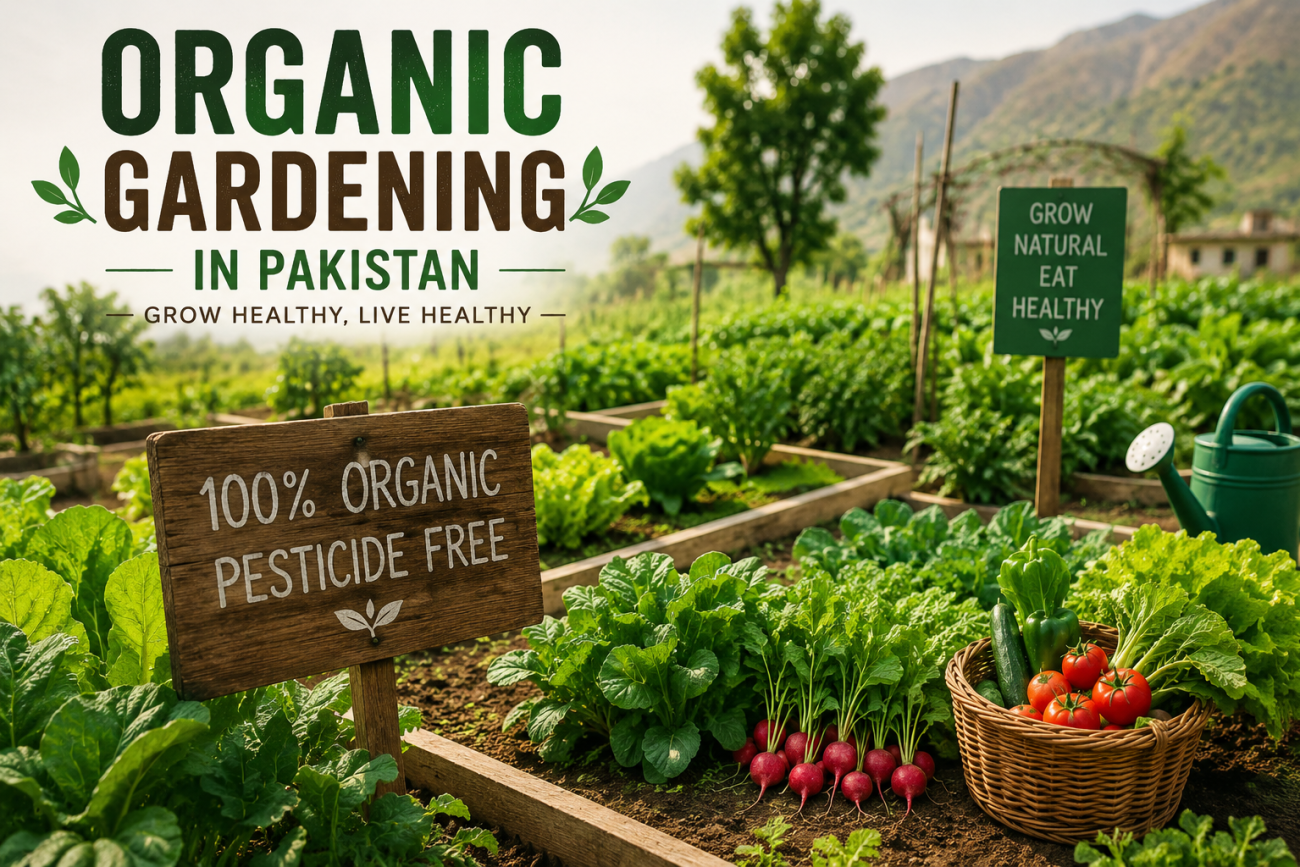
Every morning in cities like Lahore, Karachi, and Islamabad, more people are stepping onto their rooftops or into their small backyards to grow something green. This shift is not just a trend. It is a return to a simpler, healthier way of living. Organic gardening has quietly become one of the most rewarding hobbies for families across Pakistan who want fresh, chemical-free food on their plates.
Whether you have a full backyard or just a few pots on a balcony, this guide will walk you through everything you need to know. From soil health to pest control, we cover it all in easy, practical language built for our local climate and conditions.
What Is Organic Gardening and Why It Matters
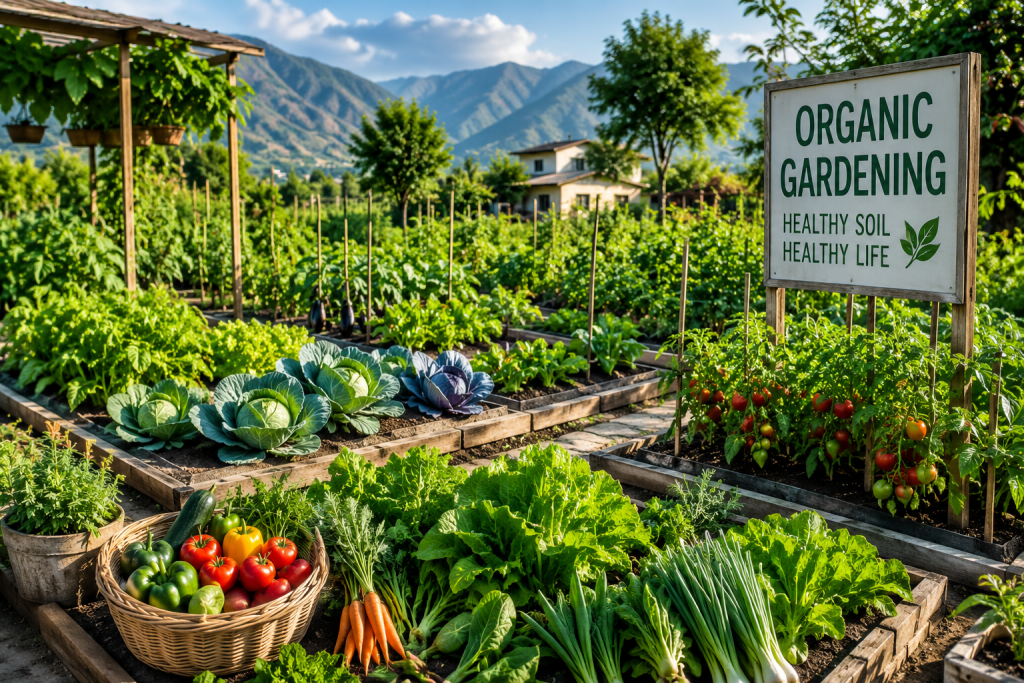
At its core, organic gardening means growing plants without synthetic chemicals, pesticides, or artificial fertilizers. Instead, it relies on natural processes like composting, crop rotation, and beneficial insects to keep plants healthy. This method works with nature rather than against it, which is why so many gardening community members across Pakistan are embracing it.
The benefits go far beyond the garden fence. Organic methods protect groundwater from chemical runoff, support local pollinators like bees, and produce food that is genuinely safer for your family. For a country facing rising food prices and water concerns, growing your own vegetable garden organically is both an economic and environmental win.
The Core Principles Behind Organic Gardening
Organic gardening rests on four simple ideas: feed the soil, not just the plant, work with natural pest predators, rotate crops to avoid disease, and avoid synthetic inputs entirely. These principles sound simple, but they demand patience. The payoff, however, is a garden that becomes healthier and more resilient every single year.
Building Healthy Soil the Organic Way
Good soil is the foundation of any thriving garden, and this is doubly true for organic methods. Healthy soil is dark, crumbly, and full of earthworms. It smells earthy, not sour or chemical. If your plants look weak no matter what you do, poor soil is usually the hidden culprit behind a vegetable garden struggling reasons you cannot quite pinpoint.
Building this kind of soil takes time but is not complicated. Adding organic garden fertilizer like farmyard manure, or what many Pakistani gardeners call gobar khaad, brings life back into tired, overused soil. Mixing in compost, aged cow dung, and dried leaves gradually improves texture, drainage, and nutrient content, turning even poor clay soil into something plants love.
| Soil Amendment | Local Name | Best Use |
|---|---|---|
| Farmyard Manure | Gobar Khaad | General soil enrichment |
| Compost | Khaad | Boosting organic matter |
| Neem Cake | Neem Khaad | Natural pest and nutrient support |
| Bone Meal | Haddi Ka Choora | Root and flower development |
Choosing the Right Plants for Your Climate and Soil
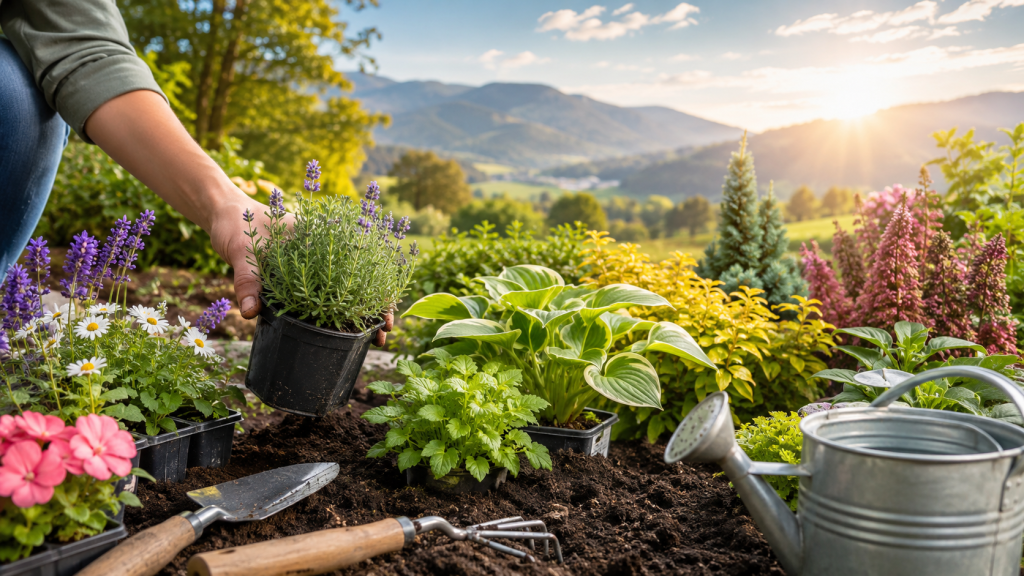
Pakistan’s climate varies wildly from the humid coast of Karachi to the cooler hills of Murree, so plant selection matters enormously. What thrives in Punjab’s hot summers may struggle in KPK’s cooler winters. Successful organic gardening always starts with matching the right plant to the right region rather than fighting against nature.
In Punjab and Sindh, heat-loving vegetables like okra, eggplant, and chilies perform beautifully. In cooler northern areas, leafy greens, carrots, and peas do far better. A well-planned perennial flower garden design should also reflect these regional differences, mixing marigolds and zinnias in hot zones with hardier blooms in cooler climates.
Matching Plants to Punjab, Sindh, and KPK Growing Conditions
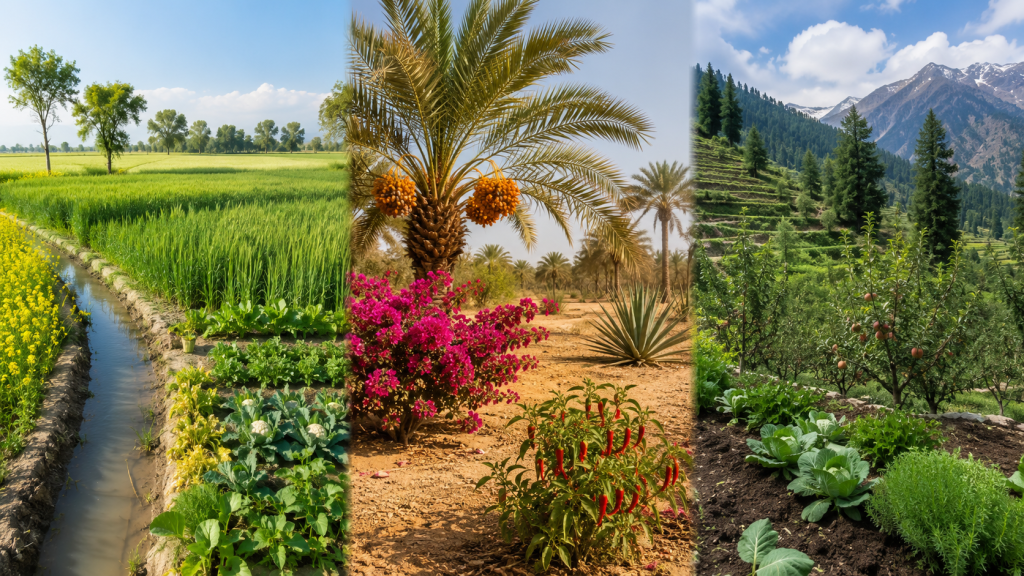
Punjab’s fertile plains suit tomatoes, wheat companions, and most summer vegetables. Sindh’s warmer, coastal air favors mangoes, guavas, and heat-tolerant herbs. KPK’s cooler hills welcome apples, cauliflower, and cold-season greens. Knowing your zone before planting saves both money and disappointment.
Natural Composting Techniques That Actually Work
Composting turns kitchen scraps and yard waste into black gold for your garden, and it costs almost nothing to start. Vegetable peels, eggshells, tea leaves, and dried leaves all break down naturally into nutrient-rich material. This single habit can transform your organic gardening results faster than almost anything else.
To start your own compost pile, layer green waste like vegetable scraps with brown waste like dried leaves or cardboard. Turn the pile every week or two to add oxygen and speed decomposition. Within two to three months, you will have rich, crumbly compost ready to feed your soil naturally.
Common Composting Mistakes Pakistani Gardeners Make
Many beginners add too much wet kitchen waste without balancing it with dry, brown material, which creates a smelly, slow pile. Others forget to turn the compost regularly, leaving it dense and airless. Skipping meat, dairy, and oily foods keeps the pile healthy and free from unwanted pests.
Smart Watering Tips to Keep Your Garden Thriving
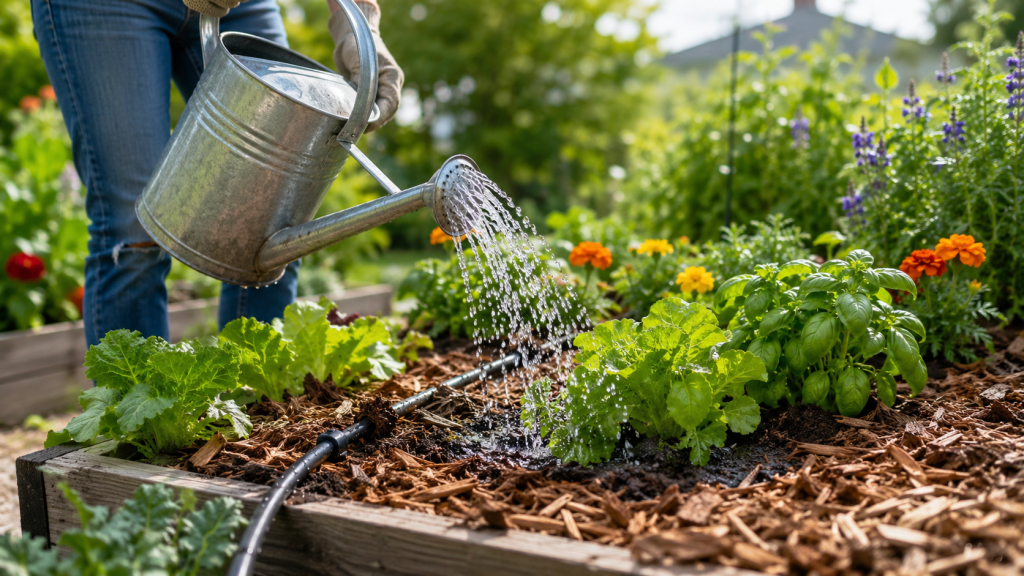
Pakistan’s hot summers make watering vegetable garden the right way absolutely essential for plant survival. Overwatering and underwatering are both common mistakes, and both stress plants in different ways. The goal is deep, consistent moisture rather than frequent shallow sprinkling that only wets the surface.
Early morning, before the sun gets harsh, is the best time to water most gardens across Pakistan. This timing reduces evaporation and gives plants a chance to absorb moisture before the day heats up. Adding a layer of mulch around your plants also helps the soil retain water far longer, cutting down your watering needs significantly.
Best Time to Water Your Organic Garden in Pakistan’s Heat
Water deeply two to three times a week rather than lightly every day, since deep watering encourages stronger root growth. During peak summer months, an early evening watering session can supplement the morning routine, especially for thirsty vegetables like tomatoes and cucumbers.
Organic Pest Control Methods That Protect Your Garden
Pests are inevitable, but chemical pesticides are not the only answer. Natural alternatives protect your plants while keeping your food genuinely safe to eat. Learning how to use organic garden fertilizer alongside natural pest deterrents creates a garden ecosystem that largely defends itself.
Neem oil, one of Pakistan’s most abundant natural resources, works wonders against aphids, whiteflies, and mites. A simple spray made from crushed garlic and chili, steeped in water overnight, also repels many common pests effectively. These remedies are cheap, locally available, and completely safe for pets and children.
Natural Pest Repellents Using Neem, Garlic, and Chili
Mix neem oil with a few drops of dish soap and water, then spray directly on affected leaves every few days until pests disappear. Garlic and chili sprays work similarly and can be reapplied after rain. Both methods avoid harming beneficial insects like ladybugs and bees.
Companion Planting for a Healthier, More Productive Garden
Companion planting means growing certain plants together because they help each other thrive. Marigolds planted near tomatoes repel harmful nematodes and whiteflies naturally. Basil grown alongside tomatoes is said to improve their flavor while also deterring pests, making it one of the oldest organic tricks in the book.
This technique reduces the need for pest control altogether while making better use of limited garden space. Beans and corn grown together support each other structurally, while onions planted near carrots confuse pests that rely on smell to find their targets. Smart pairing is one of the simplest upgrades any Pakistani gardener can make.
Mulching Tips to Suppress Weeds and Retain Moisture
Mulch is one of the most underrated tools in any organic garden. A simple layer of dried leaves, straw, or grass clippings spread across the soil blocks sunlight from reaching weed seeds, drastically cutting down on unwanted growth. It also locks in soil moisture, meaning less frequent watering during Pakistan’s brutal summer heat.
Beyond weed and water control, mulch slowly breaks down and feeds the soil underneath it, working like a slow-release organic garden fertilizer. Straw, dried grass, and shredded leaves are all easy to find locally and cost next to nothing. Apply a two to three inch layer around plants, keeping it slightly away from stems to prevent rot.
Seasonal Organic Gardening Tips for Year-Round Success
Organic gardening in Pakistan is very much a seasonal game, with each season demanding different priorities. Summer brings intense heat and water stress, monsoon brings excess moisture and fungal risk, and winter brings cooler, gentler growing conditions perfect for greens and root vegetables. Planning around these shifts keeps your garden productive all year.
Fall gardening is the perfect time to plant garlic, spinach, and other cool-season crops before winter sets in fully. As winter garden planning begins, gardeners should also start ordering seed catalogs and preparing beds for spring, since good preparation now saves enormous effort later.
Organic Gardening Calendar for Pakistan’s Summer and Winter Seasons
Summer months call for shade cloth, frequent watering, and heat-tolerant crops like okra and eggplant. Winter favors carrots, peas, and leafy greens that thrive in cooler air. Monsoon season demands excellent drainage to prevent root rot, making raised beds especially useful during heavy rains.
Preparing Your Garden for Monsoon Season
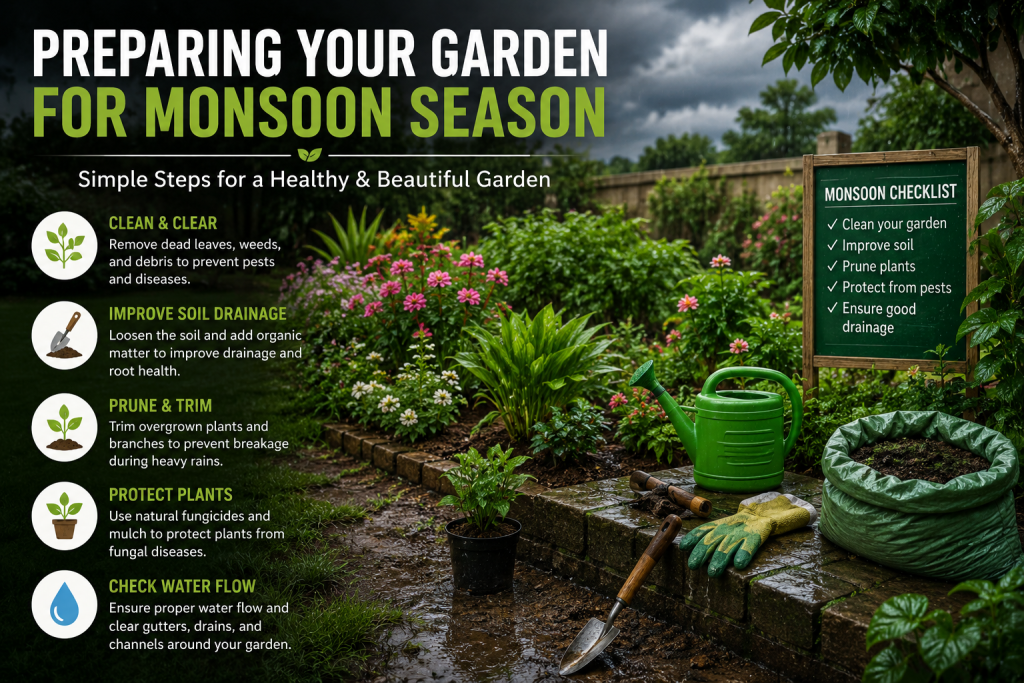
Before monsoon arrives, clear drainage channels and elevate vulnerable plants using raised beds or containers. Fungal disease spreads quickly in humid conditions, so spacing plants generously improves airflow. A little preparation before the rains saves considerable heartache once the season actually hits.
Common Organic Gardening Mistakes to Avoid
Even experienced gardeners fall into predictable traps. Overwatering remains the single most common mistake, drowning roots and inviting fungal problems long before nutrient deficiencies ever become an issue. Overcrowding plants is another frequent error, since it restricts airflow and encourages disease to spread rapidly between neighboring plants.
Skipping soil testing before planting is another costly oversight many beginners make. Rushing to buy expensive fertilizers before understanding what your soil actually lacks wastes both money and time. Building strong gardening skills takes patience, and learning from these early mistakes saves years of frustration down the road.
How to Plant, Harvest, and Care for Garlic Organically
Garlic deserves special mention since it remains one of the easiest and most rewarding crops for Pakistani gardens. How to plant garlic correctly starts in autumn, pushing individual cloves root-side down into loose, well-drained soil about two inches deep. Planting garlic this way in October or November gives it enough time to establish strong roots before winter cold sets in.
How to harvest and cure garlic properly determines how long it stores afterward. Once the lower leaves turn yellow and brown, usually by early summer, it is time for garlic harvest. Curing garlic simply means letting the bulbs dry in a shaded, airy spot for two to three weeks before storing them somewhere cool and dark.
Growing and Pruning Tomato Plants the Organic Way
Few vegetables reward organic gardeners quite like tomatoes, but they do need attention. Tomato plants grow best with consistent watering, strong support stakes, and generous spacing to allow airflow between leaves. How to prune tomato plants effectively means removing the small suckers that grow between the main stem and branches, redirecting the plant’s energy toward fruit production instead.
Pruning tomato plants regularly throughout the season also improves sunlight penetration, reducing fungal disease risk considerably. A well-pruned plant produces fewer but noticeably larger, healthier tomatoes. This small weekly task makes a dramatic difference by harvest time.
Growing Basil, Carrots, and Other Easy Organic Crops
Not every crop demands expert skill, and some are genuinely beginner-friendly. How to grow basil successfully simply requires warm sunlight, regular watering, and occasional pinching back to encourage bushier growth. This fragrant herb also pairs beautifully with tomatoes, both in the garden and on the plate.
How to grow carrots well depends mainly on loose, stone-free soil that allows roots to expand downward without obstruction. Direct sow the seeds rather than transplanting, since carrots dislike having their roots disturbed. Within seventy to eighty days, you will be pulling sweet, crunchy carrots straight from your own soil.
Designing a Beautiful Perennial Flower Garden
Vegetables are not the only reward organic methods offer. A thoughtfully planned perennial flower garden returns year after year with minimal replanting effort, adding lasting garden beauty to any home. The most common perennial flower garden mistakes involve poor spacing and ignoring each plant’s mature size, leading to overcrowded, chaotic beds within just a season or two.
Simple ways to add more beauty to your garden include layering plant heights, mixing bloom colors across seasons, and adding pathways that draw the eye through the space. Marigolds, zinnias, and native perennials all perform well across most Pakistani climate zones with very little ongoing maintenance required.
Starting Seeds, Preserving Food, and Building Garden Skills
Understanding the reasons to start your own seeds rather than buying seedlings comes down to cost, variety, and genuine satisfaction. Starting from seed gives access to far more vegetable varieties than local nurseries typically stock, while also being considerably cheaper over an entire growing season.
Learning how to preserve food with no time to spare matters just as much as growing it. Simple methods like sun-drying tomatoes, pickling vegetables, or freezing herbs in ice cube trays let you enjoy your harvest for months afterward. Food preservation turns a single productive season into food security that lasts well beyond it.
Tackling Summer Gardening Challenges Head-On
Pakistani summers bring genuinely tough conditions for any garden. Top summer gardening challenges include scorching heat, rapid soil moisture loss, and pest populations that explode in warm, humid weather. Shade cloth, thick mulch layers, and consistent deep watering all help plants push through the harshest months.
Taking a home garden tour of successful local gardens, whether through a neighbor, a gardening community group, or online forums, offers real, tested solutions for your specific climate zone. Learning from others who face identical challenges often teaches more than any book ever could.
Frequently Asked Questions (FAQs)
1: Is organic gardening expensive in Pakistan?
Not really. Most organic inputs like compost, neem oil, and farmyard manure are cheap or entirely free, especially compared to ongoing chemical fertilizer and pesticide costs.
2: Can I do organic gardening in a small rooftop or balcony space?
Absolutely. Container gardening works beautifully for herbs, tomatoes, and leafy greens, even in compact urban spaces across cities like Karachi and Lahore.
3: What is the best organic fertilizer available locally?
Farmyard manure, or gobar khaad, remains the most widely available and effective option across most of Pakistan, alongside homemade compost.
4: How long does it take to see results from organic gardening?
Soil improvement typically takes a few months, though many vegetables like radishes and leafy greens can be harvested within just four to six weeks.
Final Thoughts
Organic gardening is far more than a passing trend in Pakistan. It represents a genuine return to healthier food, stronger family bonds, and a deeper connection with the land beneath our feet. Every compost pile started, every seed planted, and every pest managed naturally builds toward a garden that feeds both body and soul.
Start small if you must, but start today. Your soil, your family, and your future harvests will thank you for it.
Related Links:
https://infusions.pk Organic Herbal Store
https://webhelp.pk IT Solutions & Development Technical Support Company
https://gulbergoffice.com Real Estate Company
https://eeshaal.com Tour & Travel Company