

Money doesn’t grow on trees, but it does grow with the right habits. Wealth building isn’t about winning a lottery or waiting for a big inheritance. It’s about small, repeated actions that add up over years. If you’re living in Pakistan and wondering how people around you seem to get ahead financially, the answer usually isn’t luck. It’s a plan they stuck with.
This guide walks you through everything you need to know about wealth building, from the basics to the advanced moves. We’ll cover local realities too, like inflation, PSX volatility, and the habits that quietly drain your savings. By the end, you’ll have a clear roadmap for growing your money, no matter where you’re starting from.
Why Building Wealth Starts with a Plan

Most people think wealth building means earning more money. That’s only half the story. The other half is what you do with what you already earn. A solid financial plan turns your income into long-term financial security instead of letting it slip through your fingers on daily expenses.
In Pakistan, this matters even more for wealth building. Inflation eats into your savings faster than in many other countries. The rupee has weakened significantly against the dollar over the past decade. Without a plan, your money loses value just sitting in a regular savings account. Successful wealth building gives you direction, whether that means investing in mutual funds, real estate, or the stock market. Wealth building without a plan is like driving without a destination. You’ll move, but you won’t get anywhere useful.
3 Core Strategies for Building Wealth

There are three strategies that matter more than any others when it comes to growing your money over time.
Start Early
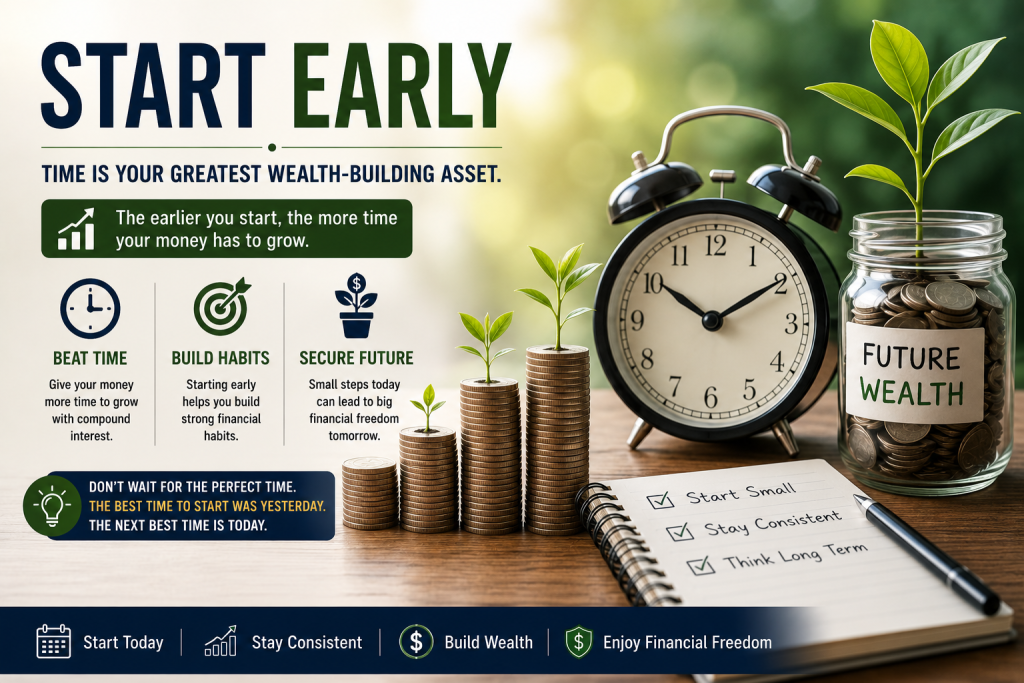
Time is your biggest asset when it comes to wealth building. Someone who starts investing at 25 will end up with far more money than someone who starts at 35, even if the second person invests more each month. This happens because of compound growth. Your money earns returns, and then those returns earn returns too. The earlier you start, the longer this snowball effect has to work in your favor.
Save Consistently
Save consistently and you’ll beat most people who try to time their investments perfectly when it comes to wealth building. Consistency matters more than perfection. Even a small monthly contribution to a savings account or investment fund adds up significantly over ten or twenty years, quietly powering your wealth building journey. Skip the temptation to wait for the “right moment” to start saving. That moment rarely arrives, and waiting only costs you compound growth and slows down your wealth building progress.
Invest Strategically
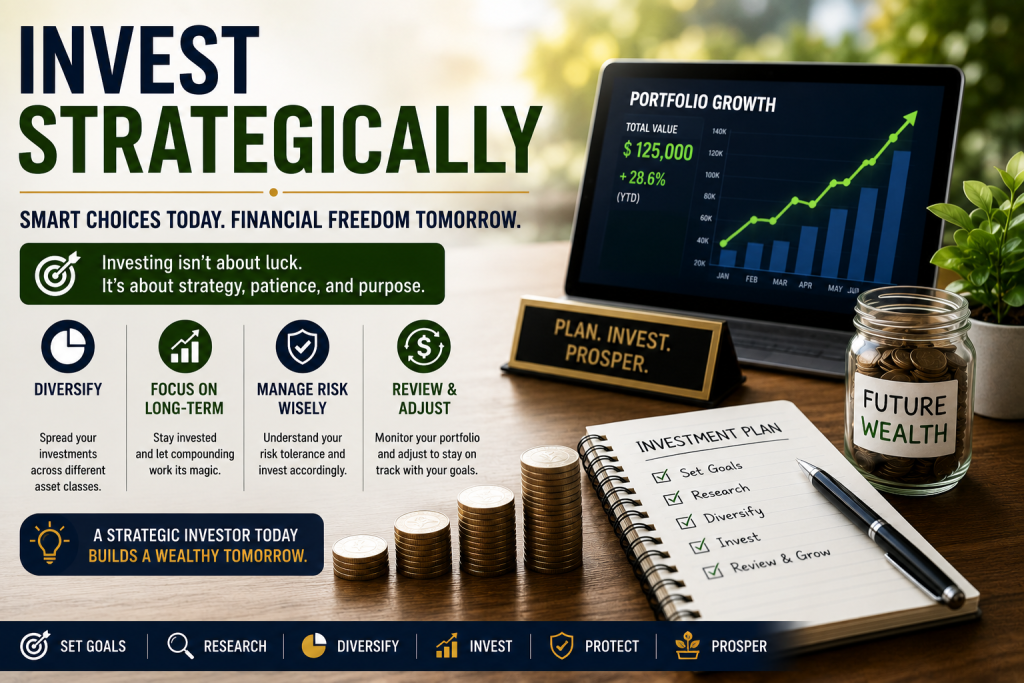
Saving alone won’t beat inflation in Pakistan, where prices climb fast. You need to invest strategically across different options like the Pakistan Stock Exchange, mutual funds, gold, or real estate. Diversifying across these options protects you if one sector underperforms. A mix of passive income sources, like dividends and rental income, adds stability while your core investments grow.
Basic Financial Habits Everyone Needs
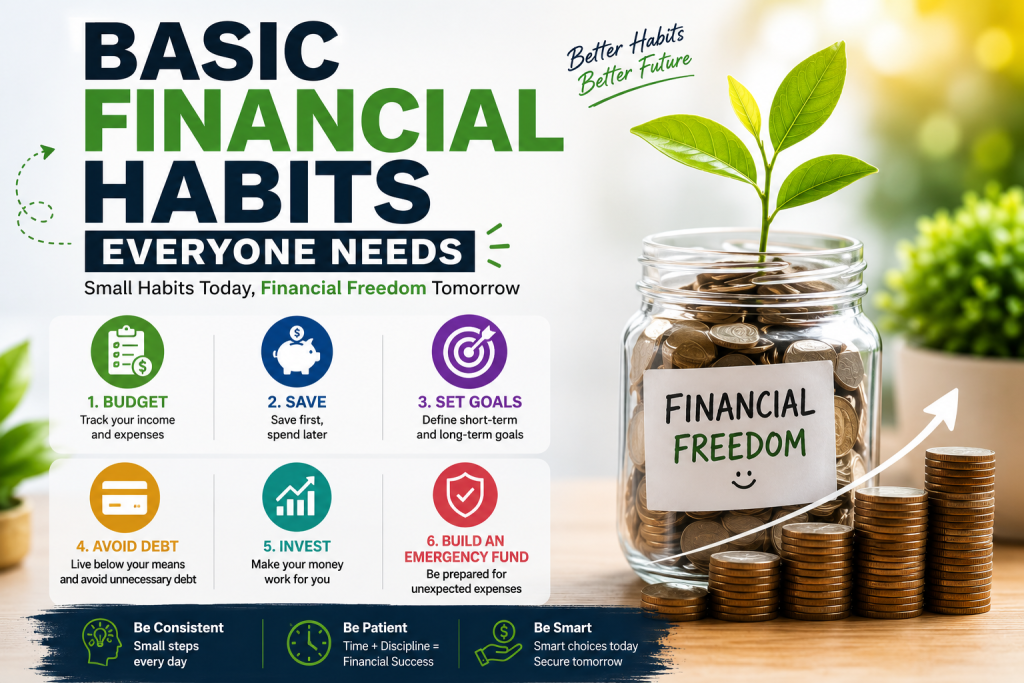
Before chasing advanced strategies, nail down the fundamentals. These basic financial habits create the financial foundation that everything else builds on.
Live within your means by spending less than you earn every single month. This sounds obvious, but lifestyle pressures make it hard, especially with social expectations around weddings and gatherings common in Pakistani culture. Budget and track expenses using simple categories like housing, food, transport, and savings. Review this every month so small leaks don’t turn into big problems. Set financial goals that are specific, like saving five hundred thousand rupees by next year, rather than vague wishes like “save more.”
Automatic payments and deposits remove the guesswork from saving. Set up a standing instruction with your bank so a fixed amount moves to your savings account right after you get paid. Build an emergency fund covering three to six months of essential expenses. This fund protects you from financial security disasters when unexpected costs hit, like medical bills or job loss. Without one, you’ll end up borrowing at high interest rates just to survive a rough month.
Managing Debt and Protecting Your Credit

Debt can either help you build wealth or destroy your progress entirely. The difference lies in how you manage it.
Focus on paying off high-interest debt first, especially credit card balances and personal loans from informal lenders. Use the avalanche method, where you tackle the highest interest rate debt first, or the snowball method, where you pay off the smallest balance first for a psychological win. Once that debt is gone, redirect those payments toward investments instead. Every rupee you’re not paying in interest is a rupee working for your future.
Your credit history matters more in Pakistan than most people realize, especially as digital banking and eCIB reporting expand. Check your credit report periodically to catch errors. Keep credit card balances low relative to your limit, and always pay bills on time. A clean credit record opens doors to better loan terms when you need financing for a home or business later.
Advanced Habits to Accelerate Wealth Growth
Once your basics are solid, these habits push your wealth-building strategies into a higher gear.
Check your risk tolerance once a year, since your comfort with investment ups and downs shifts as your life circumstances change. When your income rises, boost your investment contributions immediately, before lifestyle creep eats the extra money. That means resisting the urge to upgrade your car or gadgets every time you get a raise. Instead, put a portion toward investments and a portion toward fun, so you enjoy life without sacrificing your future.
Review the fees you’re paying on mutual funds, banking services, and any investment services you use. High fees quietly drain your returns over decades. Look for low-cost options wherever possible. Diversify your income streams by exploring freelance work, a side business, or rental property, since Pakistan’s growing freelance economy makes this easier than ever. Rebalance your portfolio once or twice yearly to keep your investment mix aligned with your goals. Build a tax strategy around FBR filer status, since filers enjoy lower withholding tax rates on banking transactions and property deals. Finally, stay calm during market fluctuations. The stock market will always have rough patches, but panic selling locks in losses that patience would have avoided.
Your Year-Round Wealth-Building Checklist
Not every habit needs daily attention. Some work best as quick daily check-ins, while others only need a look once a year. Here’s how to organize your money habits by frequency.
| Frequency | What to Do |
|---|---|
| Daily | Spend less than you earn; avoid checking your portfolio obsessively |
| Weekly | Review spending; confirm automatic transfers processed correctly |
| Monthly | Update your budget; contribute to your emergency fund; make debt payments |
| Quarterly | Check for lifestyle creep; review subscriptions and recurring charges/subscriptions; assess goal progress |
| Annually | Rebalance your portfolio; review fees; check your credit report; plan your tax strategy |
| Major life changes | Update your plan after a new job, marriage, or a child |
This table makes it easy to see what needs your attention right now versus what can wait until year-end.
4 Bad Money Habits That Kill Your Wealth
Even with good habits in place, certain behaviors quietly undo your progress. Trying to time the stock market is one of the biggest traps, since predicting short-term moves is nearly impossible even for professionals. You’ll often miss the best trading days and end up with lower returns than if you’d simply stayed invested throughout.
Comparing your spending to others, especially around weddings and social events, leads to emotional financial decisions that don’t align with your actual goals. Ignoring small recurring charges/subscriptions feels harmless, but a forgotten five-hundred-rupee monthly subscription costs six thousand rupees a year. Making big financial choices while stressed or upset, like panic-selling investments during a market dip, almost always backfires. Sleep on major decisions before acting.
How to Actually Stick With These Habits
Knowing what to do is easy. Actually doing it consistently is the hard part.
Start small by picking two or three habits that will make the biggest difference, rather than trying to overhaul your entire financial life overnight. Once those feel automatic, add another one. Automate everything you can, from bill payments to investment contributions, so good behavior happens without relying on willpower every single day.
Track your progress by keeping a simple log of your net worth or savings rate. Watching the numbers move in the right direction keeps you motivated during the slow months. Adjust your habits whenever your life changes significantly, whether that’s a new job, a growing family, or a move to a new city. Financial planning isn’t a one-time event. It evolves alongside you.
Common Wealth-Building Mistakes to Avoid
A few mistakes trip up even well-intentioned savers in Pakistan. Putting all your money into real estate alone feels safe, but it locks up your cash and ignores the benefits of diversification into stocks, mutual funds, or gold. Skipping an emergency fund before investing is another common error, since a single unexpected expense can force you to sell investments at a loss.
Joining informal committees, known locally as “BC” or committee savings groups, carries real risk since there’s no legal protection if organizers default. Financial professionals generally recommend regulated investment vehicles instead, even if they feel less familiar. Ignoring inflation when setting long-term goals is another quiet mistake. A savings account paying less interest than the inflation rate is actually losing you money in real terms, even though the number on your statement keeps growing.
Final Takeaways / Key Points
Wealth building isn’t reserved for the wealthy. It’s a set of habits anyone can adopt, starting today. Live within your means, save consistently, and invest strategically across diversified options. Protect yourself with an emergency fund and manage debt before it manages you.
Review your progress regularly using the year-round checklist, and watch out for the four bad habits that quietly undo good work. Most importantly, start small and stay consistent. A long-term financial plan, followed patiently, beats any shortcut you’ll find. Your future self will thank you for starting now instead of waiting for the perfect moment that never really comes.
FAQs
Q1: What is wealth building?
Wealth building is the process of growing your money over time through consistent saving, smart investing, and disciplined financial habits.
Q2: How can I start wealth building with a low income?
Start small by saving even a tiny percentage of your income consistently and automating your savings so wealth building becomes effortless over time.
Q3: What is the fastest way to build wealth?
There’s no shortcut, but combining early investing, consistent saving, and diversified income streams speeds up wealth building significantly.
Q4: How much money do I need to start wealth building?
You can begin wealth building with even a small monthly amount, since consistency matters more than the size of your initial investment.
Q5: What are the biggest mist1akes people make in wealth building?
The biggest mistakes include skipping an emergency fund, avoiding diversification, and letting emotional decisions disrupt long-term wealth building goals.