
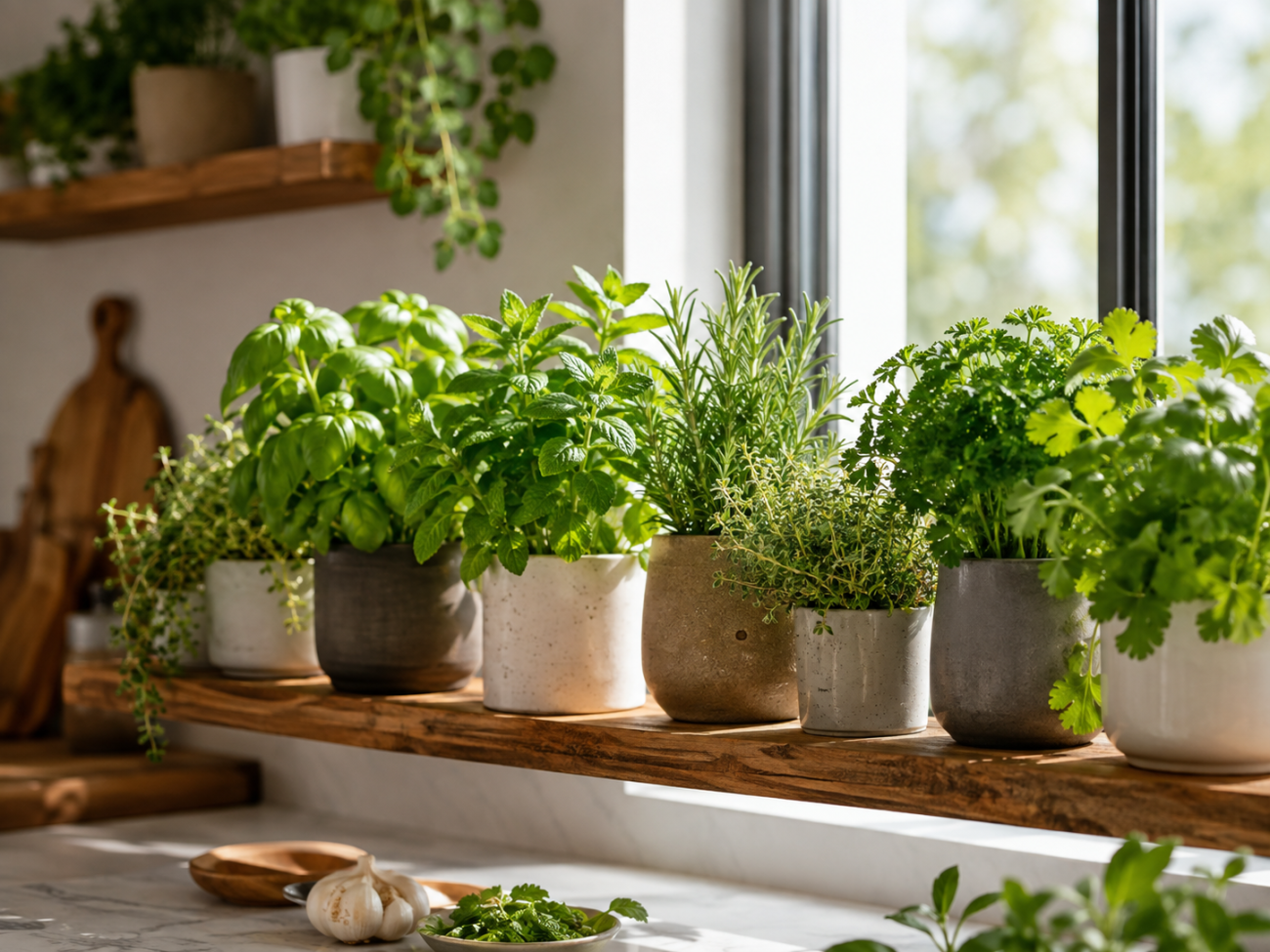
When the weather turns cool and the smog rolls into cities like Lahore and Islamabad, stepping outside to pick fresh herbs becomes a chore. This is exactly why an indoor herb garden makes so much sense right now. You get fresh pudina, dhania, and basil without stepping outside your kitchen. And once the setup is done, it barely takes any effort to keep going.
This guide walks you through everything you need to build a cozy indoor herb garden, from picking the right herbs to setting up proper lighting. Whether you live in a Karachi apartment or a house in Islamabad, you can grow fresh herbs all season long.
What Is an Indoor Herb Garden and Why Start One This Fall?
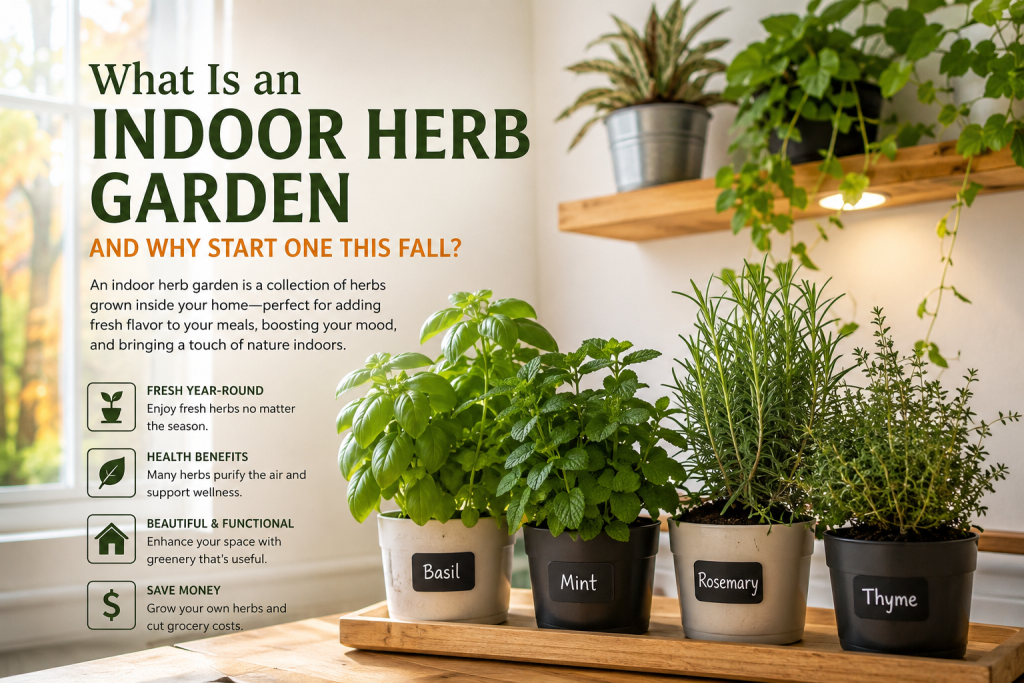
An indoor herb garden is simply a collection of herbs grown inside your home, usually in pots on a windowsill, kitchen counter, or shelf. Unlike outdoor gardening, it does not depend on soil quality outside or unpredictable weather. You control the light, water, and temperature. This makes it a reliable starter herb garden option for anyone new to growing plants, especially in cities where outdoor space is limited.
Fall is the ideal time to begin because outdoor growing slows down across most of Pakistan. Nights get colder in Islamabad and Murree, while smog cuts down natural sunlight in Lahore and Faisalabad. Bringing your herbs indoors solves both problems at once. You avoid the seasonal dip in fresh produce and keep your kitchen stocked with herbs you would otherwise buy from the sabzi mandi every few days.
Best Herbs to Grow Indoors in the Fall
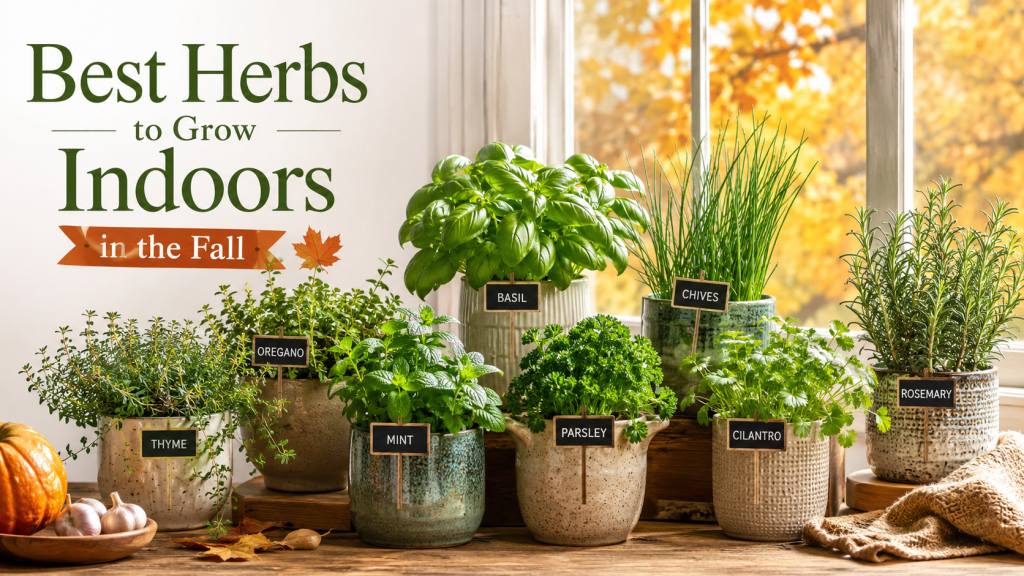
Pakistani kitchens rely heavily on fresh herbs, so it makes sense to start with what you already cook daily. Pudina, dhania, hara pyaz, and tulsi grow well indoors if given enough light. These herbs are forgiving for beginners and do not need constant attention. Dhania in particular is quick to sprout but slightly fussy about overwatering, so keep the soil moist rather than soggy.
Beyond local staples, several Western herbs do well too. Basil, rosemary, mint, parsley, thyme, chives, oregano, and sage are among the easiest to grow indoors because they adapt well to containers and bright light. According to Penn State Extension, these herbs handle indoor conditions better than most other plants because their root systems stay compact. Basil tends to grow fastest, while rosemary is slower but more forgiving if you forget to water it once in a while.
| Herb | Ease of Growing | Best Use in Pakistani Cooking |
|---|---|---|
| Pudina (Mint) | Very Easy | Chutney, raita, chai |
| Dhania (Coriander) | Moderate | Garnish, chutney |
| Basil | Easy | Pasta, salads |
| Rosemary | Easy | Roasted meats, potatoes |
| Thyme | Moderate | Soups, karahi |
| Chives | Easy | Baked dishes, garnish |
Essential Supplies You Need to Start an Indoor Herb Garden
Setting up an indoor herb garden does not require expensive equipment. You need containers with drainage holes, a light potting mix, and a small watering can with a narrow spout for precise watering. Garden soil from outside is not ideal since it compacts too much in pots and blocks proper airflow to the roots.
Most of these supplies are easy to find in Pakistan through local nurseries or online marketplaces like Daraz. Pots with saucers help prevent water damage to shelves or countertops, which matters if you are placing your herbs in the kitchen. Keep your setup somewhere you pass by often. If you see your herbs daily, you will remember to water them and actually use them more in your cooking.
Why Lighting Is the Most Important Factor for Indoor Herbs
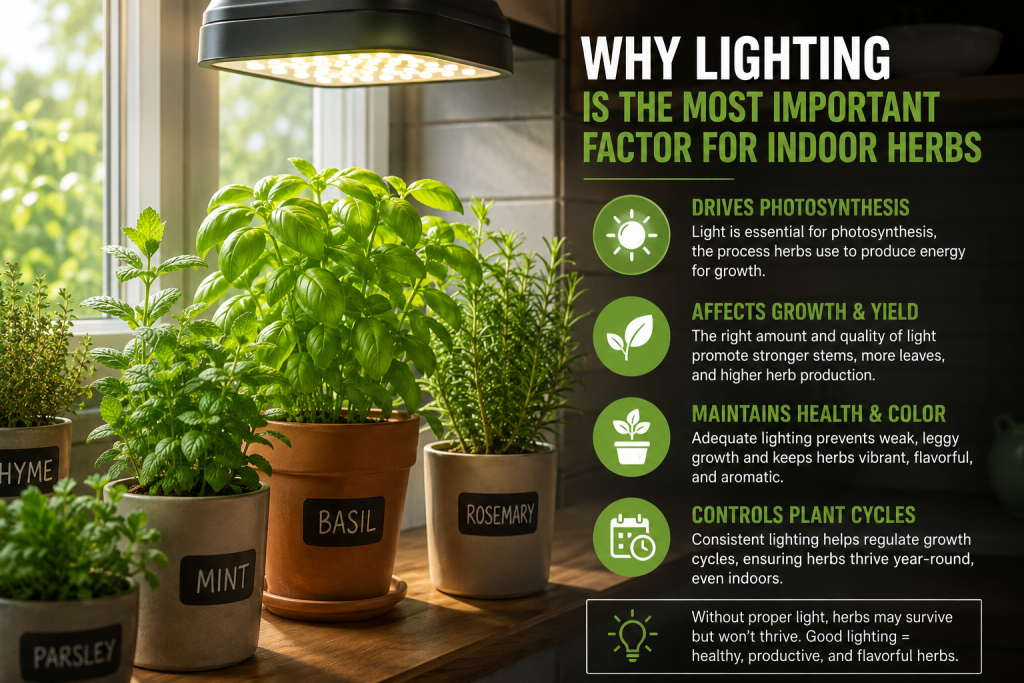
Here is something most beginners get wrong: a sunny window is not enough to grow herbs indoors successfully. A bright window typically provides just over 1,000 foot-candles of light, according to the University of Florida IFAS Extension. Most herbs that love sun need far more than that to grow full and flavorful, especially during Pakistan’s smoggy winter months when even that limited window light gets weaker.
This is why grow lights have become essential rather than optional for serious indoor gardeners. Without enough light, herbs grow thin, pale, and leggy as they stretch toward whatever light source they can find. Investing in a proper grow light setup early on saves you from watching your herbs struggle and eventually die, which is a common and frustrating outcome for first-time growers.
Best Grow Lights for an Indoor Herb Garden (Buying Guide)
A good grow light for your indoor herb garden needs to be full-spectrum, meaning it mimics natural sunlight across different wavelengths. Tabletop grow lights work well for kitchen counters since they tilt and rotate to focus light exactly where your herbs need it. LED bar lights are a good option for shelves, letting you line up multiple pots of parsley or thyme under one consistent light source.
According to Fine Gardening, good lighting is the single most important factor when growing herbs indoors, more important than soil type or fertilizer. When shopping in Pakistan, look for LED options since they use less electricity and produce less heat than older grow light types. If you are unsure what your specific herbs need, checking a plant guide before buying can save you from picking the wrong wattage or spectrum for your setup.
How to Set Up and Plant Your Indoor Herb Garden Step by Step
Start by choosing a spot near an outlet where your grow light can run for 12 to 14 hours daily during fall and winter. Fill your containers with light potting mix, leaving about an inch of space at the top. Plant seeds or small saplings at the depth recommended on the packet, usually around a quarter inch for most herb seeds.
Water gently right after planting so the soil settles around the roots without washing seeds away. Position your grow light about six to twelve inches above the plants, adjusting as they grow taller. Within one to two weeks, most herbs like basil and mint will show visible sprouts, while slower growers like rosemary may take a bit longer to establish.
How to Care for Indoor Herbs (Watering, Soil, Temperature, Pruning)
Watering correctly makes or breaks your indoor herb garden fall setup. Penn State Extension recommends letting the top inch of soil dry out before watering again, since overwatering is the fastest way to kill indoor herbs. Pakistani tap water can sometimes be harder than ideal, so letting water sit for a few hours before use helps reduce mineral buildup in the soil over time.
Pruning matters just as much as watering. Snipping your herbs frequently does not just give you fresh leaves to cook with, it also encourages fuller, bushier growth instead of tall, weak stems. Rotate your pots every few days so all sides get even light exposure. A diluted liquid fertilizer every four to six weeks is usually enough, since herbs generally need far less feeding than vegetables or flowering plants.
Common Mistakes to Avoid When Growing Herbs Indoors
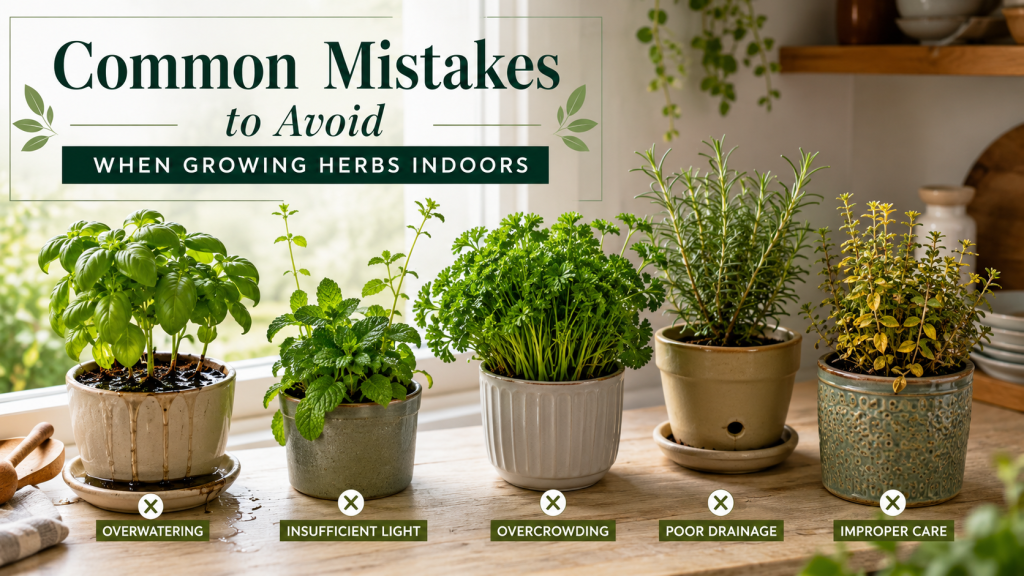
The most common mistake beginners make is overwatering, often out of good intentions. Herb roots need to breathe, and constantly wet soil suffocates them over time. A close second mistake is placing herbs too far from the light source, which leads to weak, leggy growth that never quite thrives no matter how much you water or fertilize.
Choosing the wrong herb for your climate is another frequent issue. Some herbs, like basil, are more sensitive to cold drafts near windows during Islamabad winters, while hardier options like rosemary tolerate cooler indoor temperatures much better. Skipping drainage holes in containers is a smaller but equally damaging mistake, since trapped water at the bottom of a pot rots roots within days.
Cozy Fall Recipes Using Fresh Indoor Herbs
According to Gardenary, herbs like rosemary, parsley, thyme, and sage are especially useful in fall cooking, pairing well with soups, roasted vegetables, and slow-cooked dishes. In a Pakistani kitchen, fresh dhania chutney or pudina raita brings the same seasonal comfort to daily meals. Adding fresh hara pyaz to karahi or fresh mint to adrak chai instantly elevates simple dishes into something special.
Fresh herbs also work beautifully in warm drinks during colder evenings. A cup of pudina chai with fresh leaves tastes noticeably better than one made from dried mint. Sprinkling fresh dhania over daal or roasted thyme over grilled chicken adds a layer of flavor that dried herbs simply cannot match, making your indoor herb garden feel worth the effort every single day.
FAQs
1: How many hours of light do indoor herbs need?
Most herbs need 12 to 14 hours of bright light daily during fall and winter, especially without strong natural sunlight.
2: Do I need a grow light to grow herbs indoors?
Yes, in most Pakistani homes a regular window does not provide enough consistent light, particularly during smog season.
3: Do herbs taste the same when grown indoors?
Fresh indoor herbs often taste stronger and more aromatic than store-bought ones since they are harvested right before use.
4: What is the easiest herb to grow indoors for beginners?
Mint and basil are usually considered among the easiest herbs for beginners because they grow quickly and forgive small mistakes.
5: How often should I harvest herbs?
Regular light harvesting, a few times a week, keeps plants productive and encourages continuous new growth rather than one large cutting.
Related Links:
https://infusions.pk Organic Herbal Store
https://webhelp.pk IT Solutions & Development Technical Support Company
https://eeshaal.com Travel & Tour Company
https://gulbergoffice.com Real Estate Company