
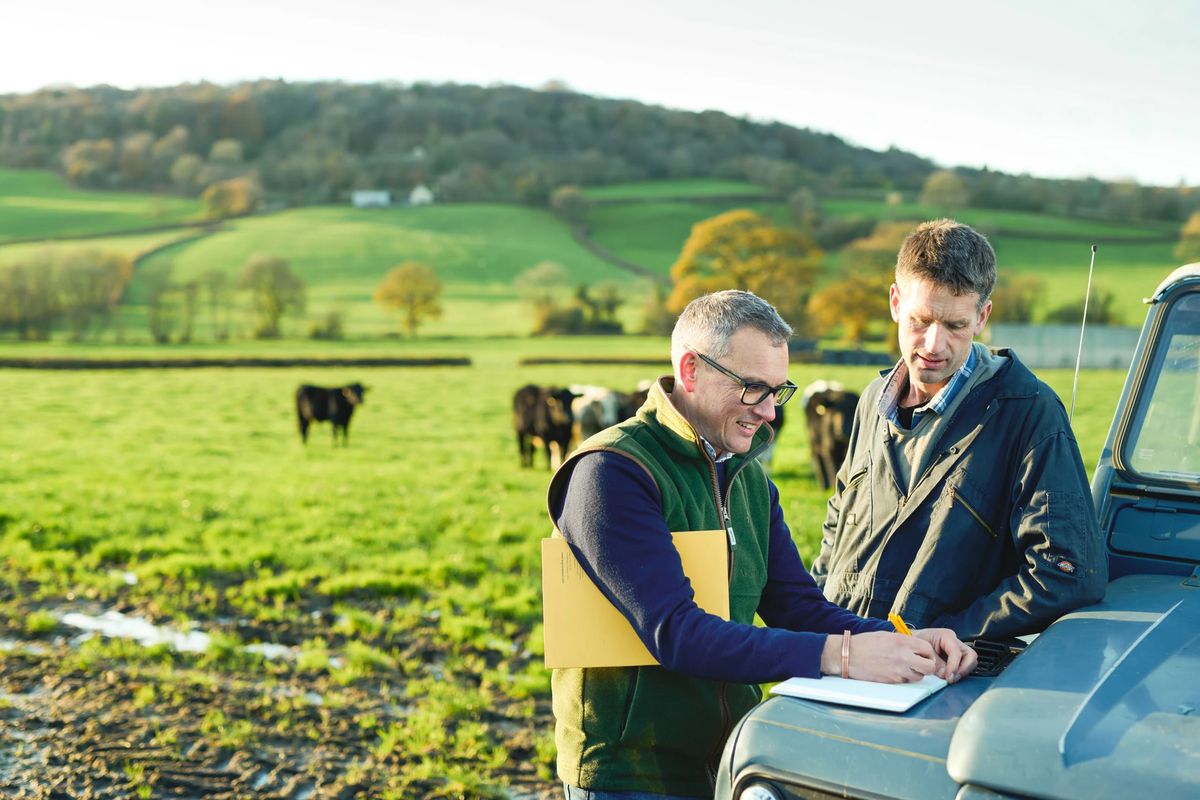
New to farmland investment? Lands Expert breaks down how it works, the risks, and the smartest way for beginners to get started in 2026.
Farmland Investment for Beginners
A decade ago, farmland barely came up in investment conversations outside of people who already owned a farm. Now it’s showing up next to stocks and rental properties in portfolio discussions, and there’s a reason for that. Farmland investment has held up through inflation, recessions, and rate hikes in a way few other assets have. If you’re looking at Farmland investment for beginners and trying to figure out where to start, Lands Expert put this guide together to walk you through the process without the jargon.
This Farmland investment for beginners guide isn’t about buying a tractor and learning to farm. Most investors never touch the soil. It’s about understanding how the asset works, where the money actually comes from, and how to avoid the mistakes that trip up almost everyone on their first deal.
Why Farmland Investment for Beginners Is Gaining Attention From New Investors
Farmland does something most assets can’t do at the same time. It produces income every season, it tends to appreciate over the long run, and it holds its value when inflation pushes up the cost of everything else, including the crops grown on it. That combination is rare, and it’s a big part of why farmland investment keeps pulling in people who’ve never set foot on a farm.
For those exploring Farmland investment for beginners, understanding these benefits is an important first step. Farmland offers a unique opportunity for investors who want a long-term asset with potential income and growth.
How Farmland Investment for Beginners Actually Works

Most beginners assume there’s only one way in: buy a farm outright when it comes to farmland investment for beginners. There are actually several entry points, and they fit very different budgets and risk levels.
Direct ownership in farmland investment for beginners means buying a parcel and either farming it yourself, which almost nobody does as a beginner, or leasing it to an operator who handles the work. You collect rent, often a percentage of crop revenue or a flat annual fee, while the operator manages the day-to-day.
Another option in farmland investment for beginners is Farmland REITs, which let you buy shares in a company that owns and leases agricultural land. This is the lowest-effort entry point, and it gives you exposure without the headache of finding tenants or managing a property.
Crowdfunding platforms pool money from multiple investors to buy specific parcels, splitting both the income and the appreciation. Minimums are usually lower than direct ownership, which makes this a popular starting point for beginners testing the waters.
Farmland funds work similarly to REITs but often focus on a narrower strategy, like specialty crops or a particular region.
Lands Expert generally points beginners toward leased direct ownership or a fund when the goal is steady income, and toward REITs when the goal is simplicity above everything else.
What Beginners Should Actually Look At Before Buying
The land itself matters more than almost anything else in this asset class, so in farmland investment for beginners, the homework has to go beyond price per acre.
Soil quality comes first in farmland investment for beginners. A parcel with poor soil can sit underpriced for a reason, and that reason usually shows up in your returns later. Water access matters just as much, maybe more in regions where water rights are getting tighter every year. Then there’s the lease structure, because the terms you sign with an operator determine whether you’re getting steady income or taking on more risk than you realize.
Location plays a role too, but not in the way most beginners expect. It’s less about proximity to a city and more about regional crop demand, climate stability, and how easily the land connects to transport and processing infrastructure.
This is where Lands Expert tends to add the most value for first-time buyers. Reading a soil report or a lease agreement properly takes a bit of experience, and getting it wrong on a six-figure purchase is an expensive way to learn.
Risks That Catch New Farmland Investment for Beginners Off Guard
Farmland investment for beginners is often seen as steadier than a lot of asset classes, but it isn’t risk-free, and beginners tend to underestimate a few things in particular.
Weather and crop cycles can swing income year to year in farmland investment for beginners, even on good land with a solid operator. Liquidity is another one. Farmland isn’t something you sell in a week if you suddenly need the cash, so it works better as a long-term holding than a short-term play. Operator quality matters more than most beginners realize too in farmland investment for beginners, since a poorly managed lease can quietly erode returns for years before anyone notices. And regulatory shifts, especially around water rights and land use, can change the value of a parcel in ways that have nothing to do with the soil itself.
None of this should scare a beginner away from farmland investment for beginners. It just means going in with eyes open instead of assuming farmland is a “set it and forget it” investment.
How Lands Expert Helps Farmland Investment for Beginners Get Started
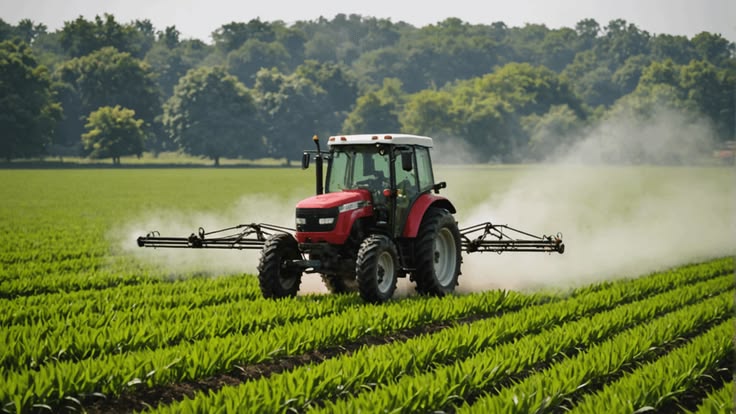
This is exactly the gap Lands Expert was built to close. A lot of farmland deals never make it to public listings, and even the ones that do require a level of due diligence most beginners aren’t equipped to do alone. Lands Expert reviews soil data, lease terms, regional water access, and operator track records before a parcel ever gets recommended to an investor.
For someone exploring farmland investment for beginners, that kind of filtering matters. It’s the difference between buying a parcel because it looked good on paper and buying one because the data actually backs it up.
Final Thoughts
Farmland investment isn’t complicated once you understand the mechanics, but it does reward patience and punish guesswork. Direct ownership, REITs, crowdfunding, and funds each offer a different entry point depending on your budget and how hands-on you want to be.
Lands Expert exists to make that first step easier. From identifying solid parcels to walking beginners through lease structures and risk factors, Lands Expert delivers the kind of guidance that turns a first-time farmland purchase into a long-term, income-producing asset instead of a guess.