
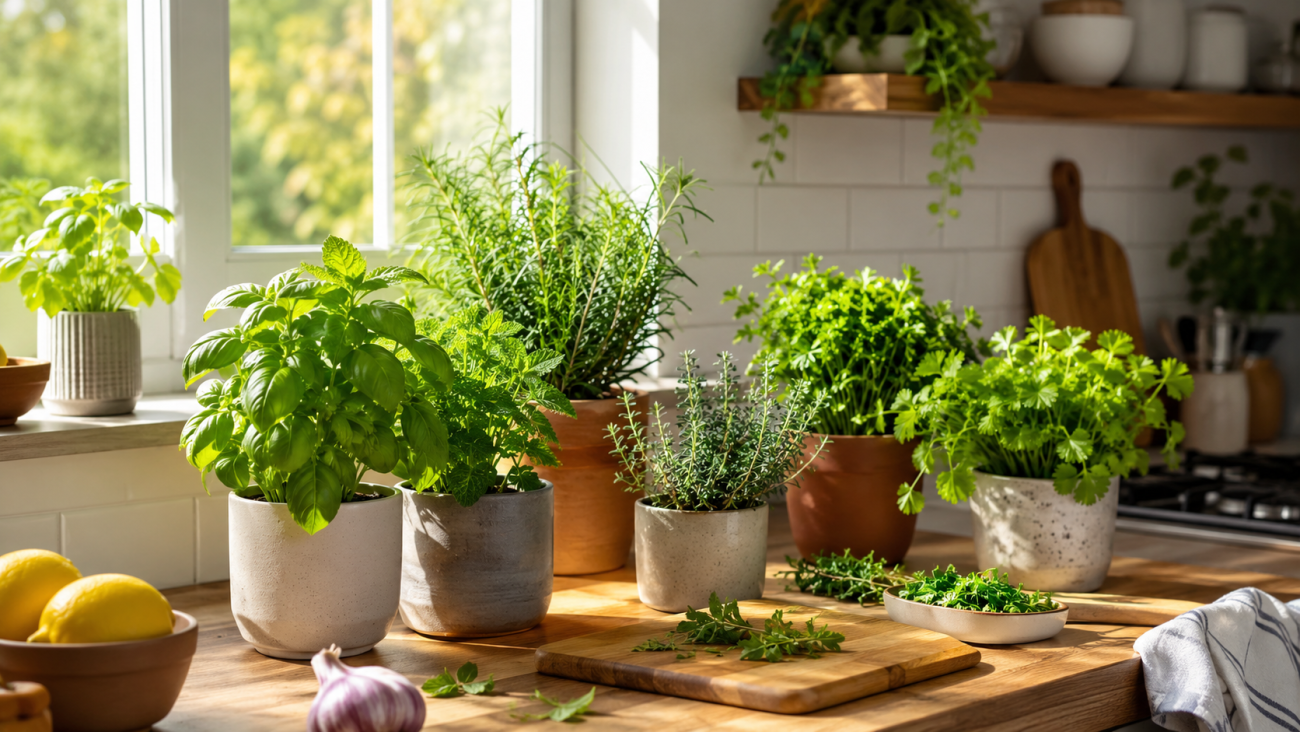
A kitchen herb garden is one of the simplest ways to bring health and flavor into your home. Pakistani households have grown herbs for generations, yet many people still buy dried herbs from the bazaar instead of growing them fresh. This guide walks you through everything you need to build a thriving kitchen herb garden, from choosing the right plants to using them for herbal remedies all year round.
What Is a Medicinal Kitchen Herb Garden?

A medicinal kitchen herb garden is a small patch, pot, or windowsill setup where you grow herbs for both cooking and healing. Unlike a purely decorative garden, this one serves double duty. Every plant you grow works as culinary herbs in your daily cooking and as a natural remedy when someone in the house falls sick.
Think of your herb and spice cupboard and imagine it growing outside your kitchen door instead. That is the whole idea. Perennial herbs like mint and curry leaves come back year after year, so once you plant them, you save money and effort for seasons to come.
Why Grow Medicinal Herbs at Home?
Growing herbs at home means fresher flavor and stronger medicinal punch than anything bought dried from a shop. Growing herbs at home also cuts your monthly grocery bill, since herbs like ginger, mint, and ajwain are used almost daily in Pakistani cooking. Fresh herbs simply taste better and last longer in your dishes.
There is also a trust factor. Ghar ka nuskha, the home remedy your dadi or nani used, feels more reliable than a packaged product from the market. When you grow your own herbal remedies, you know exactly how they were handled, with no chemicals or long storage involved.
Understanding Herb Energetics Warming, Cooling, Wet & Dry
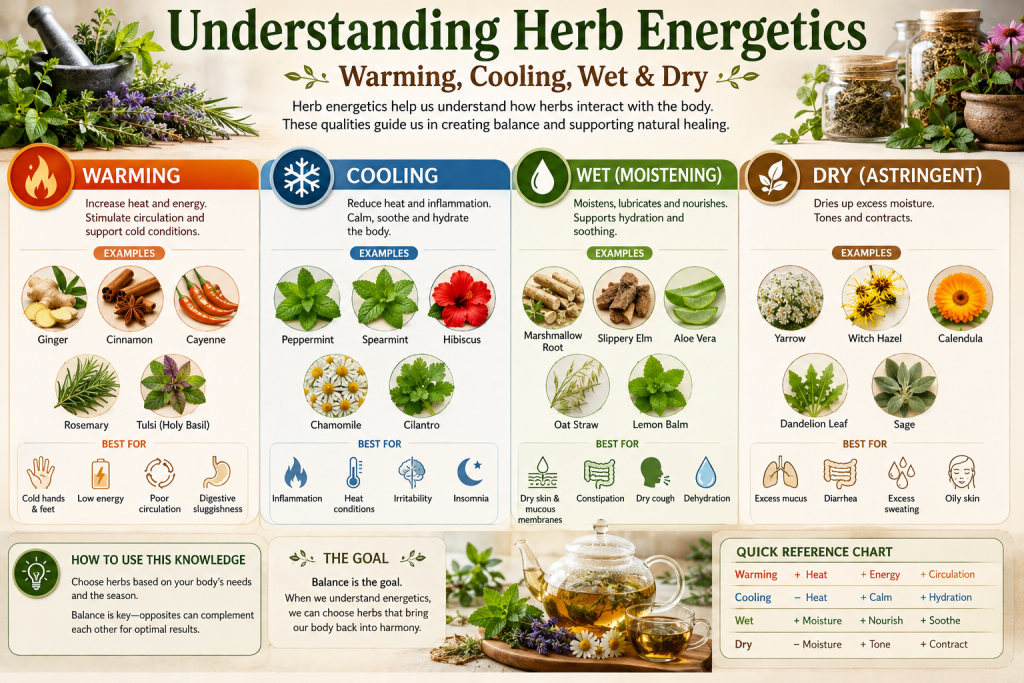
Every herb carries an energetic effect on the body, and understanding herb energetics helps you pick the right one for the right problem. This idea lines up closely with traditional Unani and Tibb concepts already familiar in Pakistani households. The energetic effects of herbs fall into four categories, and knowing them prevents you from using the wrong herb for your symptoms.
Some herbs warm the body while others cool it down, and this is where warming and cooling herbs come into play. Separately, wet and dry herbs describe how an herb affects moisture in the body. Moistening herbs help a dry cough, while herbs with a drying effect help clear excess phlegm.
| Energetic Type | Common Effect | Example Herbs |
|---|---|---|
| Warming | Raises body heat, helps colds | Ginger, Garlic, Ajwain |
| Cooling | Reduces excess heat, helps fever | Mint, Coriander |
| Wet (Moistening) | Soothes dryness, eases dry cough | Marshmallow Root |
| Dry | Clears excess mucous, helps wet cough | Sage, Thyme |
Best Medicinal Herbs to Grow in Your Kitchen Garden
Pakistani homes are lucky because the climate supports both desi and international herbs side by side. Garlic, known locally as lehsun, is a warming herb loaded with antimicrobial effects and works wonders during flu season. Ginger Root, or adrak, brings antispasmodic and expectorant properties, making it a staple in almost every Pakistani kitchen.
Mint, or pudina, cools the body and aids digestion after heavy meals. Tulsi, ajwain, and curry leaves round out the desi favorites, each carrying antioxidant benefits and immune stimulant properties. Interestingly, Rosemary, Thyme, Sage, Oregano, and Peppermint also grow well in the hills of Punjab and KP, offering strong anti-inflammatory properties and a circulatory stimulant effect when used in tea.
| Herb | Local Name | Key Property |
|---|---|---|
| Garlic | Lehsun | Antimicrobial, warming |
| Ginger Root | Adrak | Expectorant, antispasmodic |
| Mint | Pudina | Cooling, digestive aid |
| Tulsi | Basil | Immune stimulant |
| Ajwain | Carom Seeds | Diaphoretic effect |
| Curry Leaves | Kari Patta | Antioxidant benefits |
| Sage | Sage | Drying, antimicrobial effects |
| Thyme | Thyme | Antiseptic, expectorant |
How to Plan and Design Your Herb Garden

Before you plant anything, decide between containers and soil beds. Containers work best for small spaces like balconies and rooftops common in urban Pakistani homes. Soil beds suit larger courtyards and give herbs more room to spread naturally, which matters most for perennial herbs that grow for years.
Sunlight matters more than most people realize. Most medicinal herbs need at least five to six hours of direct sun daily to develop their full energetic effects. A permaculture gardening approach, where herbs are grouped by water and sun needs, keeps maintenance simple and your kitchen herb garden healthy without daily fuss.
Best Growing Conditions for Pakistan’s Climate
Pakistan’s regions differ sharply, so what grows well in Punjab may struggle in Sindh’s heat. Punjab’s moderate winters suit rosemary, thyme, and sage beautifully, while its hot summers favor mint and basil. KP’s cooler hill climate mirrors conditions found in many international herb gardens, making it ideal for a wider variety of medicinal herbs.
Sindh’s intense heat demands heat-tolerant choices like curry leaves, ajwain, and garlic, which thrive even in tough summer months. Coastal humidity near Karachi also affects how herbs handle moisture, so raised beds with good drainage help avoid root rot in any kitchen herb garden built along the coast.
How to Harvest and Store Medicinal Herbs Properly
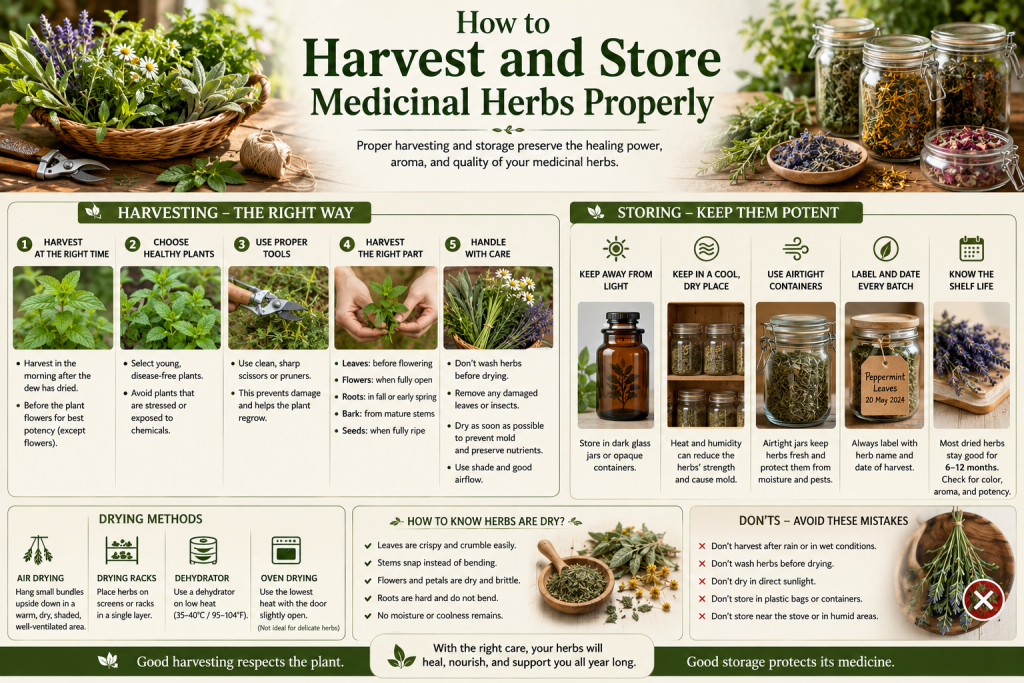
Timing your harvest changes everything. Pick leafy herbs like mint and tulsi in the morning, right after dew dries, since this is when their oils and energetic effects are strongest. Cutting too late in the day, once the sun has drawn out moisture, gives you a weaker, less potent herb.
Drying preserves herbs for winter when fresh growth slows down. Hang bundles upside down in a shaded, airy spot, away from direct sunlight that destroys their antioxidant benefits. Once fully dry, store herbs in airtight glass jars, since plastic bags trap moisture and invite mold over time.
Everyday Uses of Medicinal Herbs
A cup of ajwain or ginger tea after dinner is a classic desi totka for digestion, passed down through generations. These home remedies rarely need a doctor’s visit for minor complaints like bloating, mild cough, or a scratchy throat. Herbal tea remains the easiest daily way to enjoy your kitchen herb garden‘s benefits.
Beyond tea, crushed garlic mixed with honey soothes a sore throat, while fresh mint leaves chewed after meals freshen breath and calm the stomach. If you want to go deeper, an herbal course can teach you safe dosages and combinations, turning casual kitchen knowledge into confident, informed practice.
Common Mistakes to Avoid When Growing Herbs
Overwatering kills more herb plants than drought ever does, since soggy roots invite rot fast. Most medicinal herbs actually prefer slightly dry soil between waterings, and Pakistani gardeners often water daily out of habit rather than necessity, which does more harm than good.
Mixing herbs with very different water needs in the same pot creates constant stress for one plant or the other. Ignoring seasonal timing is another common slip. Planting warm-season herbs during Pakistan’s cold winter almost always ends in disappointment, no matter how much care you put into your kitchen herb garden.
FAQs
1: Which herbs grow best in Pakistan’s climate?
Garlic, ginger, mint, ajwain, and curry leaves handle Pakistan’s heat well, while rosemary and thyme suit cooler northern regions.
2: Can I grow a kitchen herb garden indoors?
Yes, a sunny windowsill works fine for most herbs, as long as they get five to six hours of light daily.
3: How much sunlight do medicinal herbs need?
Most herbs need five to six hours of direct sunlight to develop strong energetic effects and flavor.
4: Which herbs are safe during pregnancy?
Culinary amounts of most herbs are safe, but medicinal doses of sage and rosemary should be avoided; always consult a doctor first.
5: How long does it take for herbs to grow?
Fast growers like mint and basil are ready in three to four weeks, while woody herbs like rosemary take a few months to establish.
Related Links :
https://infusions.pk Organic Herbal Store
https://webhelp.pk IT Solutions & Development Technical Support Company
https://eeshaal.com Travel & Tour Company
https://gulbergoffice.com Real Estate Company