
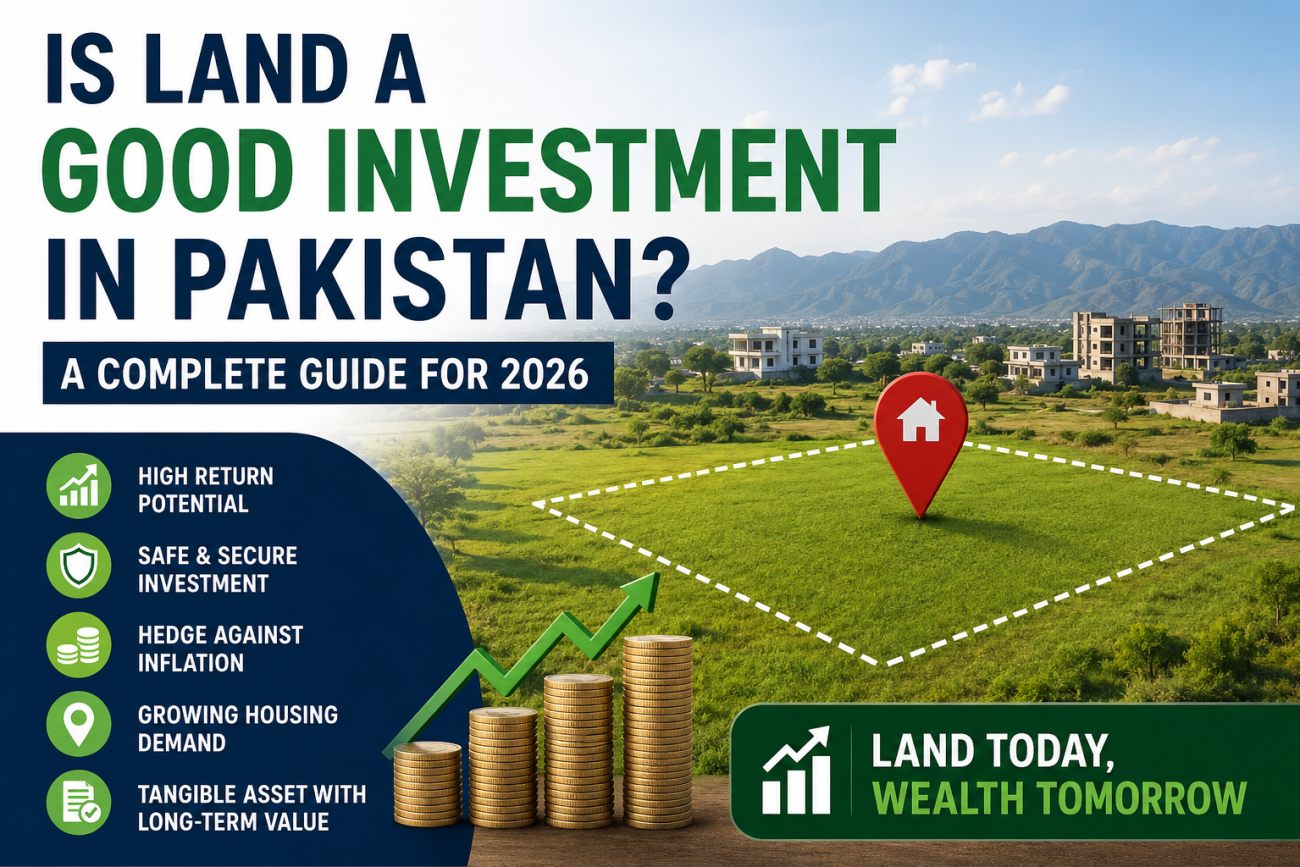
Ask ten different Pakistanis where they’d put their savings, and at least six will say the same thing: land. It’s a habit passed down through generations, and honestly, it’s not hard to see why. But is land investment in Pakistan still worth it in today’s economy, with inflation biting and interest rates swinging? That’s exactly what we’ll dig into here. We’ll walk through the real benefits, the risks nobody talks about at dinner parties, and the practical steps that separate a smart buyer from someone who overpays for a plot they’ll regret.
What Makes Land a Smart Investment Choice?
Land has a track record that few other assets can match. Over the past two decades, plots in cities like Islamabad and Lahore have shown consistent land value appreciation, often outpacing inflation by a wide margin. This kind of historical appreciation isn’t guaranteed every year, but the long-term trend line points upward almost everywhere near urban growth corridors.
What really makes land attractive, though, is flexibility. You can hold it quietly for years, or you can put it to work. A well-located plot offers a solid annual return on investment when you factor in appreciation alone, and it also opens doors to rental income if you lease it out for parking, storage, or even short-term agricultural use. It’s one of the few assets that lets you sit still and still grow richer.
Historical Land Value Appreciation in Pakistan
Sectors that were farmland twenty years ago now sell for tens of millions per kanal. This pattern repeats itself across Rawalpindi, Lahore, and Karachi’s outskirts, and it’s the main reason land keeps pulling in new buyers every year.
Earning Passive Income Through Rent or Lease
Landowners near highways often lease space to fuel stations, warehouses, or telecom companies for towers. This creates a recurring income stream without construction costs, and it works especially well for agricultural land leasing in Punjab and Sindh.
Diversifying Your Investment Portfolio
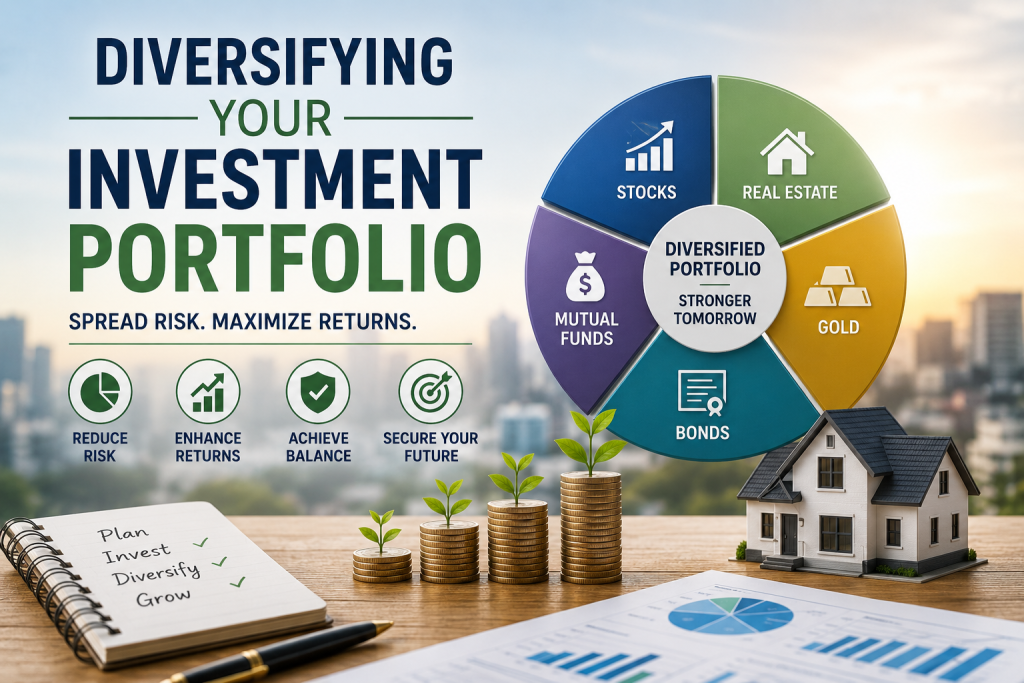
Financial advisors rarely suggest putting all your savings in one basket. Land offers portfolio diversification because its value doesn’t move in step with the stock market or currency fluctuations, giving your overall wealth a steadier footing.
Key Factors to Consider Before Buying Land
Before you sign anything, slow down and look at the fundamentals. Location and accessibility decide almost everything about a plot’s future worth. Land near a motorway interchange or a planned metro route will always outperform a similar plot stuck three hours from the nearest paved road. Urban centers proximity matters more than most buyers realize, because it directly affects how fast infrastructure and utilities reach that area.
Zoning is the second piece buyers tend to skip, and it costs them later. A plot might look like a bargain until you discover it sits on agricultural land that can’t legally be used for housing. Always check whether a society is CDA, LDA, or RDA approved before paying a single rupee. Beyond zoning, keep an eye on market demand and where growth potential is heading, since infrastructure development projects like new interchanges or universities tend to pull property prices up fast.
Location, Accessibility, and Nearby Infrastructure
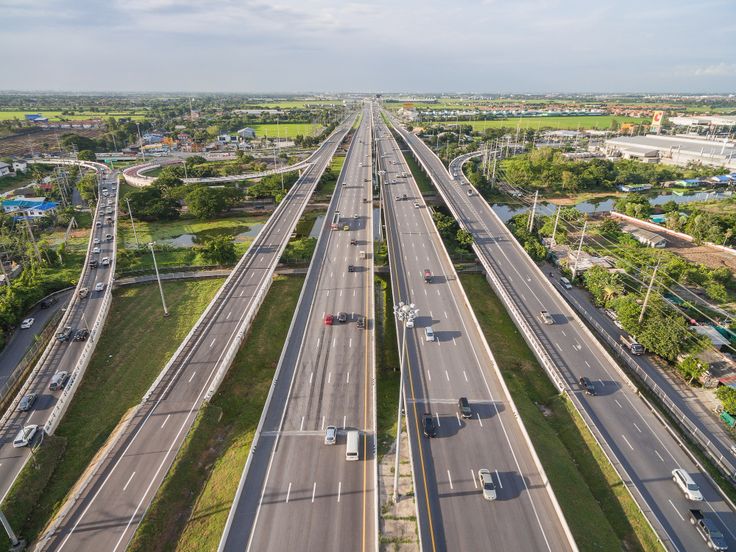
A plot ten minutes from a functioning hospital, school, and main road will always sell faster and higher than one buried deep in an unpaved block. Distance from daily necessities quietly shapes resale value more than almost any other factor.
Zoning Rules and Approved vs Unapproved Societies
Unapproved societies often offer tempting prices, but they carry real risk of demolition or non-transferable ownership. A quick visit to your local development authority’s website confirms approval status before you commit any money.
Market Demand and Future Growth Signals
Watch for signs like new CDA sector launches, upcoming ring roads, or private housing schemes announcing phase expansions. These signals usually predict where population growth and economic development will push prices next.
Land as a Tool for Long-Term Wealth Preservation
Pakistan’s rupee has lost significant value against the dollar over the past decade, and that alone explains why so many families treat land as a tangible asset rather than trusting cash savings. Unlike money sitting in a bank account, a plot doesn’t shrink when inflation rises. If anything, prices in prime sectors often climb faster than the inflation rate itself, making land a genuine hedge against currency erosion.
There’s also a simple supply story here. Cities aren’t creating more land, but their populations keep growing every year. That imbalance alone tends to push prices upward over time, particularly in sectors close to CDA, DHA, or Bahria Town developments. Buy in the right spot today, and there’s a real chance a developer or investor will want to buy it from you at a considerable markup down the road.
Hedge Against Inflation and Rupee Devaluation
Every time the rupee weakens, gold and land tend to become the default safe havens for Pakistani households. Land, unlike gold, also carries the added benefit of potential rental income while you wait for prices to climb.
Limited Supply Meeting Growing Population Demand
Karachi alone adds hundreds of thousands of new residents annually, and housing supply simply can’t keep pace. This gap between supply and demand is exactly what keeps well-located land prices moving upward year after year.
Future Resale and Development Value
A raw plot bought early in a developing sector can be resold to a builder once roads and utilities arrive. Many early Bahria Town and DHA buyers saw exactly this kind of multiplication in value within just a few years.
Risks and Challenges of Land Investment
Land isn’t risk-free, and pretending otherwise would do you a disservice. Prices can stagnate for years if the surrounding infrastructure never materializes, which has happened in several housing schemes that promised roads and utilities that simply never came. Economic slowdowns, political uncertainty, or a sudden spike in interest rates can also cool buyer demand overnight, leaving your plot sitting unsold for longer than expected.
Then there’s the quieter cost: holding expenses. Property tax, boundary wall maintenance, and periodic security concerns add up even when the land generates zero income. Worse, Pakistan has no shortage of fraudulent land deals, where the same plot gets sold to multiple buyers using forged documents. This single risk has burned more investors than market volatility ever has, which is why legal verification isn’t optional; it’s essential.
| Risk Type | Impact | How to Reduce It |
|---|---|---|
| Market volatility | Prices stagnate or drop during downturns | Buy in established, developed sectors |
| Holding costs | Ongoing taxes and maintenance without income | Budget annually before purchase |
| Fraudulent deals | Loss of entire investment | Verify title through official land records |
| Regulatory risk | Society approval revoked or delayed | Confirm CDA/LDA/RDA approval status |
Market Volatility and Economic Uncertainty in Pakistan
Interest rate hikes by the State Bank of Pakistan often cool the property market within months, as buyers redirect cash toward safer, interest-bearing savings instead.
Holding Costs, Taxes, and Maintenance
Even an empty plot demands annual property tax and occasional boundary repairs. These costs are small individually, but they quietly eat into your overall returns if the land sits idle for years.
Legal Disputes and Fraudulent Land Deals
Double-selling and fake ownership documents remain common enough that experienced buyers never skip a title search, no matter how trustworthy the seller seems.
How to Maximize Returns on Your Land Investment
Timing separates an average return from an exceptional one. Buyers who purchase land just before a society announces a new phase, or before a government project like a motorway interchange gets approved, often see prices double within a couple of years. The trick is watching official development authority announcements rather than relying on rumors from agents trying to close a quick sale.
Once you own the land, small improvements can meaningfully boost its resale value. Clearing the plot, adding a boundary wall, or ensuring utility connections are accessible all make a property far more attractive to the next buyer. And don’t underestimate the value of local expertise; a good real estate consultant who actually knows the sector’s history can steer you away from overpriced or legally shaky deals.
Smart Acquisition Timing and Location Research
Buying during a society’s early launch phase, before roads and utilities exist, usually means a lower entry price and higher long-term upside once development catches up.
Improving and Developing Your Land
A cleared, leveled plot with a basic boundary wall often commands a noticeably higher price than a raw, overgrown one, even without full construction.
Working with Trusted Real Estate Consultants

A consultant familiar with local land records and society reputations can flag red flags in minutes that would otherwise take you weeks to uncover on your own.
Legal and Financial Aspects You Shouldn’t Ignore
Every serious land purchase in Pakistan should start with the paperwork, not the plot visit. Confirm the Fard (record of rights) and complete the Intiqal (mutation) process to make sure ownership legally transfers into your name. Skipping this step is how honest buyers end up in years-long court battles over land they thought they owned outright.
On the financial side, most buyers still pay cash or use installment plans offered directly by housing societies, since traditional bank financing for raw land remains limited in Pakistan. Once you own the property, be ready for Capital Gains Tax on resale, along with stamp duty and registration fees at purchase. Consulting a tax advisor familiar with FBR regulations can save you from unpleasant surprises when it’s time to sell.
Title Verification, Fard, and Intiqal Checks:
A clean Fard and completed Intiqal are non-negotiable. Without them, your claim to the land can be challenged, no matter how official the original sale agreement looked.
Financing and Installment Plan Options:
Many developers offer two to five-year installment plans, making land more accessible without requiring a lump sum upfront, though interest-free options are becoming rarer.
Taxes, CGT, and Ownership Structures in Pakistan:
Capital Gains Tax rates depend on how long you hold the property before selling, so understanding the holding-period brackets can meaningfully affect your net profit.
Land vs Other Investment Options in Pakistan:
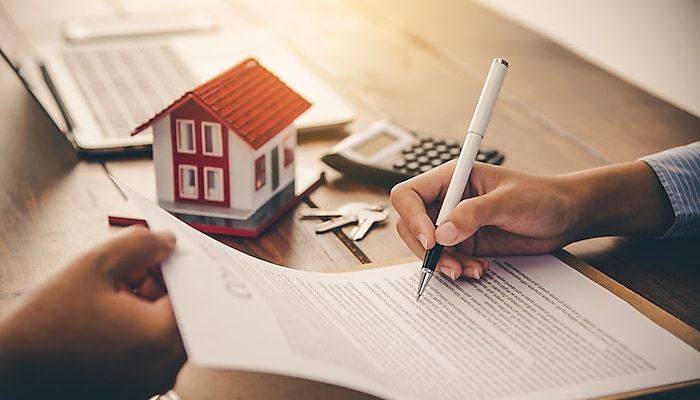
Comparing land against other assets helps put its strengths and weaknesses into perspective. A constructed property, like a house, generates immediate rental income but comes with maintenance headaches and depreciation on the structure itself. Land, by contrast, needs no upkeep of that kind, though it also doesn’t produce cash flow unless you actively lease it out.
Gold and mutual funds offer more liquidity, meaning you can sell them faster when cash is needed. Land takes longer to sell, sometimes months, and that illiquidity is a real trade-off for the higher appreciation potential it typically offers over a decade-long horizon.
| Investment Type | Liquidity | Income Potential | Typical Appreciation |
|---|---|---|---|
| Land | Low | Low unless leased | High over long term |
| Constructed property | Medium | High (rental) | Moderate |
| Gold | High | None | Moderate, inflation-linked |
| Stocks/Mutual funds | High | Dividends possible | Variable, higher volatility |
Land vs Constructed Property or House:

A house pays you monthly through rent, but land pays you in one large lump sum, years down the road, when demand finally catches up to the location.
Land vs Gold, Stocks, and Mutual Funds:
Gold protects against inflation almost instantly, while land takes patience. If you need quick access to cash, land is rarely the right tool for that job.
Best Cities/Areas in Pakistan to Invest in Land Right Now
Not every city offers the same upside, and picking the right one matters as much as picking the right plot within it. Islamabad and Rawalpindi continue attracting buyers thanks to new sectors like B-17 and Rawalpindi Ring Road-adjacent schemes, where infrastructure development is actively underway rather than just promised on paper.
Lahore, meanwhile, keeps expanding along its ring road and toward Bedian Road, where economic development driven by new commercial zones is pulling both residents and investors outward from the city center. Karachi’s growth is slower but steadier, concentrated mainly around DHA City and Bahria Town Karachi.
Islamabad and Rawalpindi’s Emerging Sectors
New CDA sectors and the Ring Road project have turned once-overlooked areas into genuine investment hotspots, with prices climbing steadily as construction activity picks up.
Lahore’s High-Growth Investment Zones
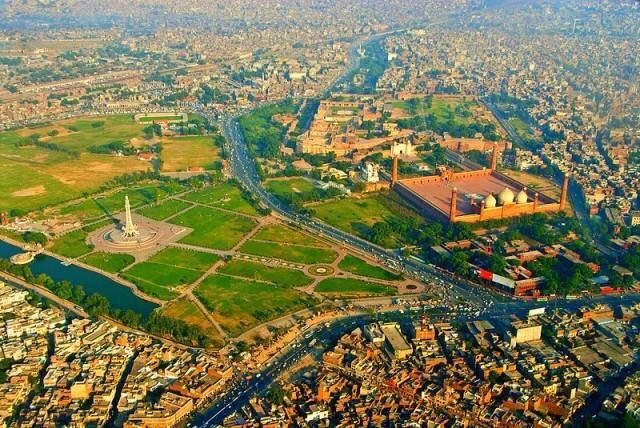
Areas near the Lahore Ring Road and emerging commercial hubs along Bedian Road are seeing some of the fastest price growth in Punjab right now.
Common Mistakes to Avoid When Investing in Land
Even experienced buyers slip up here. The single biggest mistake is skipping legal verification because a deal feels too good to pass up. That shortcut has cost countless families their entire savings when the plot turned out to have disputed ownership.
The second common trap is emotional buying, purchasing a plot because a friend or relative made money on a similar one, without doing independent research on that specific location’s growth potential. Ignoring long-term trends and chasing short-term hype rarely ends well in a market as unpredictable as Pakistan’s real estate sector.
Skipping Legal Verification Before Purchase
No matter how trusted the seller seems, always verify records independently through the relevant land authority before transferring any payment.
Ignoring Location and Growth Trends
A cheap plot in a stagnant area is rarely a bargain. It’s usually cheap for a reason, and that reason is often permanent.
Making Emotional, Overpriced Decisions
Buying because “everyone else is buying” leads to inflated purchase prices. Patience and independent research almost always outperform herd mentality.
Frequently Asked Questions
Is land a better investment than a house in Pakistan?
It depends on your goals. Land typically offers higher long-term appreciation, while a house generates immediate rental income. Investors focused on wealth-building often prefer land, while those needing monthly cash flow lean toward houses.
How much does land appreciate per year in Pakistan?
Appreciation varies widely by location, but well-located urban plots have historically shown annual growth in the range of 10 to 20 percent during active development phases, though this slows considerably in stagnant areas.
What documents should I check before buying land?
At minimum, verify the Fard, previous sale deeds, Intiqal records, and confirm the society’s approval status with the relevant development authority before any payment changes hands.
Is it safe to invest in land in Pakistan right now?
Land investment in Pakistan remains generally safe when proper due diligence is followed. The main risks come from skipping legal checks, not from the asset class itself.
Which city in Pakistan has the best land investment potential?
Islamabad and Lahore currently show the strongest growth signals, driven by active infrastructure projects and steady population inflow, though emerging sectors in Rawalpindi are quickly closing that gap.
Final Thoughts
So, is land investment in Pakistan worth pursuing? For patient buyers willing to do their homework, the answer is generally yes. The combination of limited supply, steady population growth, and land’s role as a tangible asset against inflation makes it one of the more reliable long-term wealth-building tools available locally. The catch is that none of this works without discipline: verify the paperwork, research the location, and resist the urge to buy on hype alone. Get those basics right, and land can genuinely become one of the strongest pillars in your investment portfolio.